


Can You Drink Tap Water in Mexico?
Tap water in Mexico is not safe to drink for tourists. Water treatment exists but contamination occurs in distribution and storage systems.
Complete Drinking Water Safety Information for Mexico
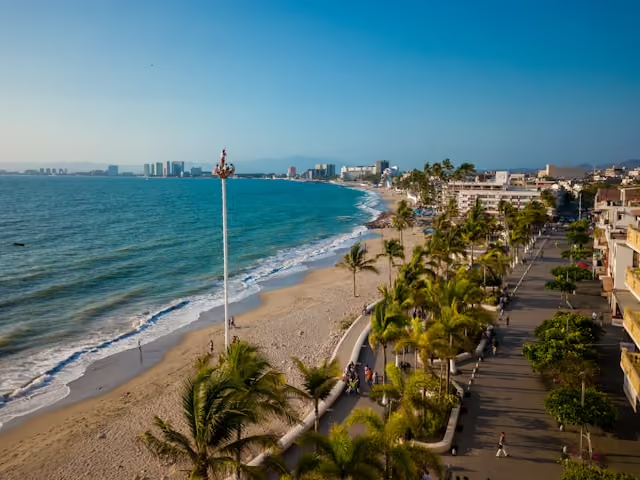
Tap water in Mexico is unsafe for drinking and should be avoided by tourists throughout the country, including major cities and resort areas. While Mexico has water treatment facilities in urban areas, the water often becomes contaminated during distribution through aging pipes, cross-contamination with sewage lines, and poorly maintained rooftop storage tanks (tinacos) found on most buildings. Most Mexican residents do not drink tap water directly. They use bottled water, water delivery services (garrafones), or boil and filter tap water before consumption. Tourists should never drink tap water anywhere in Mexico, including in luxury hotels in Cancun, Playa del Carmen, Puerto Vallarta, or Mexico City.
The primary risk is traveler's diarrhea, commonly called Montezuma's Revenge, which affects a significant percentage of visitors who consume contaminated water or ice. In resort areas like Cancun and Los Cabos, many hotels have installed purification systems and provide safe filtered water to guests, but you should verify this and still use caution. Some upscale restaurants use purified water for drinks and ice, but you should always confirm. Street food vendors and small local restaurants typically use tap water for washing produce and making ice, which poses risks. Use bottled water for drinking, brushing teeth, and rinsing contact lenses.
Tap water is generally safe for showering and washing hands. Common waterborne illnesses include E. coli, Giardia, Salmonella, Hepatitis A, and various parasitic infections. These risks are present year-round but may increase during rainy season when flooding can overwhelm sewage systems.
Bottled Water information in Mexico

Bottled water is extremely affordable (10-25 MXN or $0.50-$1.25 USD per liter) and available everywhere including OXXO and 7-Eleven convenience stores, supermarkets, hotels, gas stations, and tourist areas. Popular brands include Ciel, Bonafont, Epura, and Santorini. Always check bottle seals are intact. Large 5-gallon garrafones available for home delivery cost 30-50 MXN.
Is ice safe in Mexico?
Ice should be avoided in most situations in Mexico. Ice in street stalls, local restaurants, and small establishments is typically made from tap water and is unsafe. Ice in major resort hotels and high-end restaurants may be made from purified water, but you should always verify. When in doubt, request drinks without ice (sin hielo).
Can you use a water filter in Mexico?
High-quality portable water filters designed for international travel can make tap water safer, but should be used as backup only. Filters must remove bacteria, protozoa, and viruses. Many expatriates living in Mexico install whole-house filtration systems. For tourists, bottled water is more reliable.
Should you boil tap water in Mexico?
If bottled water is unavailable, boiling tap water for at least one minute makes it safer for drinking and brushing teeth. However, bottled water is widely available and more convenient. Boiling does not remove all contaminants but kills most harmful bacteria and parasites.
Questions!
Can you drink tap water in Cancun?
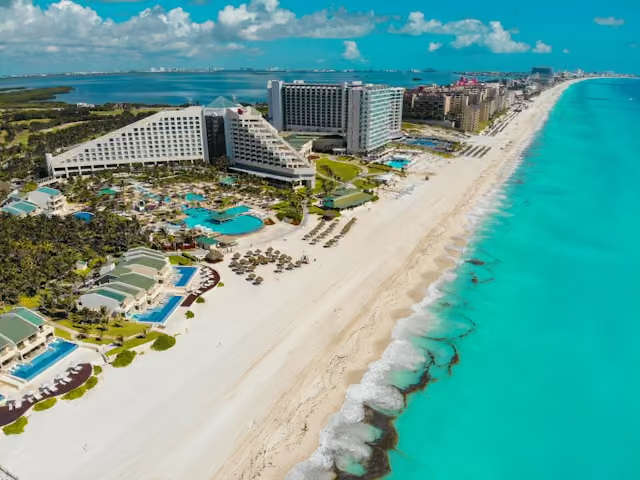
No. Cancun's tap water is not safe to drink despite being a major tourist destination. All hotels and resorts use filtered water internally but tap water from the room should be avoided.
Can you drink tap water in Mexico City?
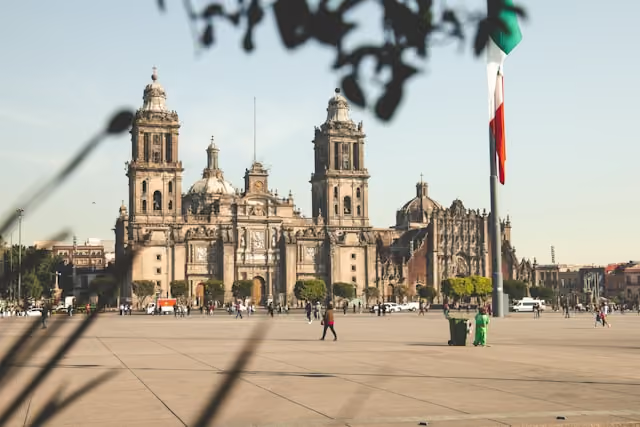
No. Mexico City has a large municipal water system but tap water is not safe to drink. Most residents use garrafones (large water jugs) delivered to their homes.
What is Montezuma's Revenge?
Montezuma's Revenge is the informal term for traveller's diarrhea in Mexico. Caused by consuming contaminated water or food, it typically causes stomach cramps, nausea, and diarrhea within 24 hours of exposure.
Can you brush your teeth with tap water in Mexico?
Most visitors use bottled water for brushing teeth, especially during the first week. Short-term exposure rarely causes serious illness but it is the safer habit to develop.
We don't conduct independent water testing. We summarises and interpret publicly available official data. Conditions can change rapidly — always verify with local authorities before travelling.
Explore all popular destinations inMexico
Explore more countries in North America
Tap water safety information for North American countries including the United States, Canada, Mexico
📚 Official Resources & Further Reading
World Health Organization – Mexico Water Quality
CDC – Mexico Travel Health Advisory
Mexico Ministry of Health
U.S. Department of State – Mexico Travel Advisory
International Association for Medical Assistance to Travellers

.svg)
