

Can You Drink Tap Water in the UAE?
Tap water in the UAE is safe to drink throughout the country and is produced through advanced desalination meeting high standards.
Complete Drinking Water Safety Information for United Arab Emirates
Tap water in the United Arab Emirates is safe to drink throughout Dubai, Abu Dhabi, and all emirates, produced almost entirely through state-of-the-art desalination plants. The UAE has virtually no natural freshwater and produces drinking water by desalinating seawater from the Arabian Gulf using advanced reverse osmosis and multi-stage flash distillation. Water meets international safety standards and is safe for consumption. In Dubai, tap water is produced and distributed by Dubai Electricity and Water Authority (DEWA) and is completely safe to drink.
The water undergoes rigorous testing and meets World Health Organization standards. Many Dubai residents drink tap water though some prefer bottled water due to taste preferences from desalination. In Abu Dhabi, tap water is managed by Abu Dhabi Distribution Company (ADDC) using advanced desalination and is safe throughout the emirate. Sharjah, Ajman, and other northern emirates have safe tap water from desalination facilities. Throughout the UAE, hotels, apartments, and all buildings have safe tap water.
The water may taste slightly different from natural spring water due to the desalination process and mineral content, but this is purely a taste issue, not a safety concern. Many luxury hotels provide complimentary bottled water as an amenity, but this is for guest convenience rather than necessity. Tap water in the UAE can be used for all purposes including drinking, cooking, ice making, and brushing teeth without any concerns. The UAE's water infrastructure is modern, well-maintained, and extremely reliable.
Despite safe tap water, many residents and tourists prefer bottled water for taste. The UAE's investment in desalination technology ensures consistent high-quality water supply despite the desert climate.
Bottled Water information in United Arab Emirates

Bottled water is available everywhere at supermarkets (Carrefour, Spinneys, Lulu), convenience stores, petrol stations, and hotels. Prices range from AED 1-3 (USD $0.30-$0.80) per liter. Popular brands include Masafi and Aquafina. However, UAE tap water is safe and free.
Is ice safe in the UAE?
Ice is completely safe throughout the UAE. All ice in restaurants, cafés, hotels, and homes is made from desalinated tap water that meets high safety standards. There are zero concerns about ice consumption anywhere in the UAE.
Can you use a water filter in the UAE?
Water filters are not necessary for safety in the UAE as tap water already meets high standards. Some residents use filters to adjust taste or reduce mineral content from desalination, but filtration is optional.
Should you boil tap water in the UAE?
Boiling is completely unnecessary in the UAE. Tap water is produced through advanced desalination and meets international safety standards. Boiling serves no purpose and is not practiced by residents.
Popular destinations inUnited Arab Emirates
View all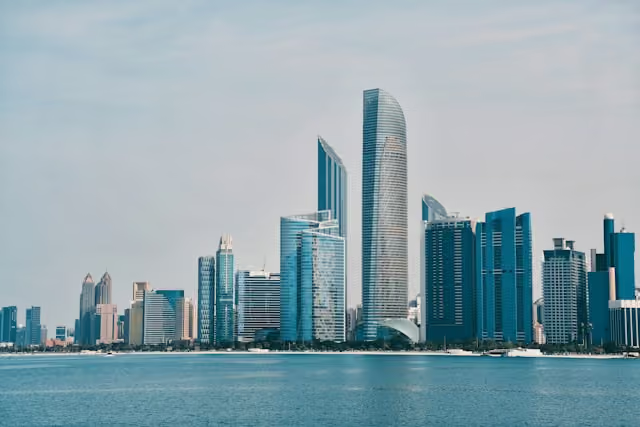
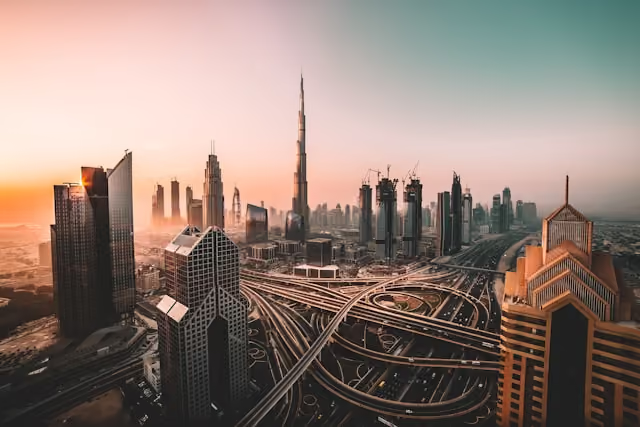
Questions!
Can you drink tap water in Dubai?
Tap water in Dubai is desalinated seawater treated to very high standards and is technically safe at source. However, virtually all residents and visitors drink bottled water. Water travels through building storage tanks before reaching taps, which can affect quality and taste.
Can you drink tap water in Abu Dhabi?
The same applies in Abu Dhabi — desalinated water meets safety standards but bottled water is the universal norm. Most hotels, restaurants, and homes use bottled or filtered water rather than tap water directly.
Why do people in the UAE avoid tap water despite it being treated?
UAE tap water is technically safe when it leaves the desalination plant, but the long distribution system and rooftop storage tanks in buildings can introduce taste changes and occasional contamination. Bottled water is also heavily promoted and very affordable, making it the practical default.
We don't conduct independent water testing. We summarises and interpret publicly available official data. Conditions can change rapidly — always verify with local authorities before travelling.
Explore all popular destinations inUnited Arab Emirates
Explore more countries in Middle East
Water safety information for Middle Eastern countries including the Gulf states, Levant, and Arabian Peninsula.





📚 Official Resources & Further Reading
World Health Organization – UAE Water Standards
Dubai Health Authority
Abu Dhabi Department of Health
CDC – UAE Travel Information
Dubai Electricity and Water Authority

.svg)
