

Can You Drink the Tap Water in Sunny Beach?
Complete Drinking Water Safety Information for Sunny Beach
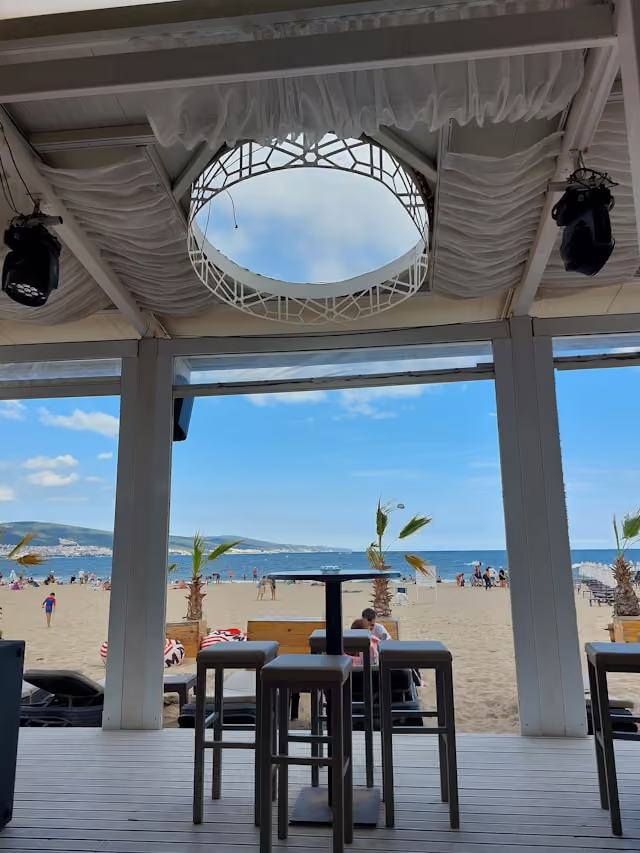
Sunny Beach (Slanchev Bryag) is Bulgaria's largest and most popular Black Sea resort, drawing millions of visitors each summer to its long sandy coastline south of Nessebar. The municipal water supply serving the resort meets EU drinking water standards — Bulgaria has been an EU member since 2007 — but the practical reality for visitors is that bottled water is the universal choice throughout the resort strip. Aging distribution infrastructure, rooftop storage tanks common in apartment-style accommodation, and the flat taste of treated water all contribute to this preference.
The resort's water is supplied by Vodsupply, the regional water utility for the Burgas region. Treatment meets EU standards but the distribution network serving the vast hotel and apartment complexes of Sunny Beach includes aging pipework and building-level storage tanks that can affect taste and, in older properties, water quality. Hotels in the all-inclusive sector — which dominates Sunny Beach accommodation — provide bottled water as standard and guests rarely need to consider tap water for drinking purposes.
Sunny Beach operates almost entirely on a seasonal basis, with the resort swelling from a small off-season population to hundreds of thousands of visitors between May and October. The water infrastructure is under significant seasonal pressure during peak summer months of July and August. Water pressure can drop during peak demand periods, and the high seasonal load on the distribution system is a further reason most visitors default to bottled water.
The nearby historic town of Nessebar — a UNESCO World Heritage Site just a few kilometres from Sunny Beach and visited as a day trip by most resort guests — shares the same regional water supply situation. Bottled water is the standard choice throughout the area, including in Nessebar's restaurants and cafes.
Bulgarian mineral water brands including Devin and Bankya are excellent and widely available throughout Sunny Beach at supermarkets, beach kiosks, and hotel shops. Prices are very low by Western European standards at BGN 0.60–1.50 (approximately €0.30–€0.75) per 1.5-litre bottle. Staying well hydrated is important given Sunny Beach's intense summer heat, and bottled water from supermarkets is the most economical way to ensure an adequate supply.
Bottled Water Information
Bottled water is universally available throughout Sunny Beach at hotel shops, supermarkets, beach kiosks, and convenience stores. Bulgarian mineral water brands Devin and Bankya are the most widely available and are of excellent quality, sourced from the Rhodope and Rila mountains respectively. Prices are very affordable at BGN 0.60–1.50 (around €0.30–€0.75) per 1.5-litre bottle from supermarkets. Large 5-litre bottles are available for self-catering stays. Staying hydrated in Sunny Beach's July and August heat — temperatures regularly exceed 30°C — is essential, and bottled water is the standard approach for all visitors.
Is ice safe in Sunny Beach?
Ice is safe throughout Sunny Beach's hotels, bars, and established restaurants. The resort's commercial venues use treated municipal water that meets EU standards, and ice in the all-inclusive hotel sector is produced from the same safe supply. The extensive bar and club scene on the resort strip uses commercially produced or filtered ice. There are no significant concerns about ice safety for visitors to Sunny Beach.
Can you use a water filter in Sunny Beach?
Water filters are not commonly used by short-stay visitors to Sunny Beach. For those staying for an extended season or in self-catering accommodation, a pitcher filter improves the taste of tap water and is a practical alternative to purchasing large volumes of bottled water. Filters are available from supermarkets and hardware stores in the Burgas area.
Should you boil tap water in Sunny Beach?
Boiling tap water is not necessary in Sunny Beach. The municipal supply meets EU drinking water standards and is safe from a microbiological standpoint. The preference for bottled water is driven by taste, infrastructure age, and convenience rather than safety concerns. No boiling is required.
Questions!
Can you drink tap water in Sunny Beach?
Technically yes — the water meets EU standards — but virtually no visitors drink tap water in Sunny Beach. Bottled water is universal throughout the resort and is the standard recommendation for all guests.
Is water safe in Sunny Beach hotels?
Hotels in Sunny Beach, particularly the all-inclusive properties that dominate the resort, provide safe drinking water as standard. Tap water in hotel rooms meets EU standards and is safe for showering and brushing teeth, but bottled water is provided and used for drinking throughout the resort.
Is the water safe in Sunny Beach apartments and self-catering accommodation?
The municipal supply meets EU standards, but older apartment complexes often have rooftop storage tanks that can affect taste and potentially introduce sediment. For self-catering stays, purchasing bottled water from a supermarket is strongly recommended for drinking and cooking.
What bottled water is available in Sunny Beach?
Devin and Bankya are Bulgaria's leading mineral water brands and are widely available throughout Sunny Beach. Both are of excellent quality and very affordable. Large 5-litre bottles from supermarkets are the best value for self-catering accommodation.
Is water safe in nearby Nessebar?
Nessebar shares the same regional water supply as Sunny Beach. Bottled water is the standard choice in Nessebar's restaurants and cafes as throughout the broader area. The water is technically safe but bottled is universally preferred.
We don't conduct independent water testing. We summarise and interpret publicly available official data. Conditions can change rapidly — always verify with local authorities before travelling.

.svg)
