

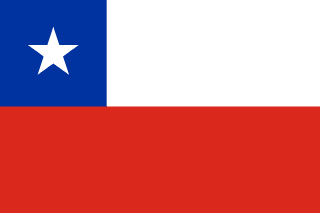
Can You Drink Tap Water in Chile?
Tap water in Chile is safe to drink throughout most of the country and meets high quality standards, particularly in major cities.
Complete Drinking Water Safety Information for Chile
Chile has some of the best tap water quality in South America and tap water is generally safe to drink in Santiago and throughout most of the country. Chilean water treatment standards are high and infrastructure is relatively modern compared to neighboring countries. In Santiago, tap water is treated to strict standards and is completely safe for drinking. The water comes from Andean snowmelt and undergoes comprehensive treatment.
Most santiaguinos drink tap water without concern and visitors can do the same confidently. The water may have a chlorine taste which is normal and indicates proper treatment. In Valparaíso, Viña del Mar, and coastal cities, tap water is also treated and safe, though some residents prefer filters due to older infrastructure in historic areas. In northern Chile including Antofagasta, Iquique, and San Pedro de Atacama, water is treated and generally safe in cities, though the desert climate means water often comes from desalination or deep wells.
Some hotels in San Pedro recommend bottled water as a precaution. In southern Chile including Puerto Montt, Punta Arenas, and Chilean Patagonia, water quality is excellent with many areas having naturally pristine water sources that require minimal treatment. Tap water in Torres del Paine and Patagonian hotels is typically safe. Easter Island (Rapa Nui) has limited water infrastructure and bottled water is recommended despite some treatment facilities. Throughout Chile, tap water in hotels, restaurants, and homes meets safety standards.
Chile's water quality is considered equivalent to many developed countries. Some travelers from countries with different mineral content may experience minor stomach adjustment in the first day or two, but this is not related to contamination.
Bottled Water information in Chile

Bottled water is available at all supermarkets, convenience stores, and kiosks. Prices range from CLP 500-1,500 (USD $0.60-$1.80) per liter. However, bottled water is unnecessary in most of Chile as tap water is safe and free.
Is ice safe in Chile?
Ice is safe throughout Chile in hotels, restaurants, and establishments using municipal water. Ice in Santiago and major cities is completely safe. In remote Patagonian areas, ice is typically safe but verify with your accommodation if uncertain.
Can you use a water filter in Chile?
Water filters are not necessary for safety in Chile as tap water already meets high standards. Some residents use filters to adjust taste or remove chlorine, but filtration is optional throughout most of the country.
Should you boil tap water in Chile?
Boiling is not necessary in Chile. Tap water meets high safety standards and is safe to drink directly throughout most of the country. Boiling is not practiced by residents and is not needed by visitors except possibly on Easter Island.
Popular destinations inChile
Questions!
Can you drink tap water in Santiago?
Yes. Santiago has a well-maintained water system and tap water is generally safe to drink. Many Chileans drink it without issue, though some prefer filtered water for taste.
Is tap water safe in other Chilean cities like Valparaíso?
Yes. Tap water is generally safe throughout Chile's main cities including Valparaíso, Concepción, and the Lake District.
Is tap water safe in Chilean Patagonia and remote areas?
Water quality can vary in very remote areas. When staying in isolated lodges or campsites, confirm the water source with your host before drinking directly from the tap.
We don't conduct independent water testing. We summarises and interpret publicly available official data. Conditions can change rapidly — always verify with local authorities before travelling.
Explore all popular destinations inChile
Explore more countries in South America
Water safety guides for South American countries covering the entire continent from Colombia to Argentina.


📚 Official Resources & Further Reading
World Health Organization – Chile Water Standards
CDC – Chile Travel Information
Chile Ministry of Health
Chilean Water Authority
U.S. Department of State – Chile Travel Information

.svg)
