


Can You Drink Tap Water in Peru?
Tap water in Peru is not safe to drink. Infrastructure is poor throughout the country including in Lima and tourist destinations.
Complete Drinking Water Safety Information for Peru
Tap water in Peru is unsafe for drinking and should be completely avoided by tourists throughout the country including Lima, Cusco, Arequipa, and all other destinations. Water treatment infrastructure is inadequate and distribution systems are heavily compromised by contamination, aging pipes, and inadequate maintenance. Most Peruvians do not drink tap water and rely exclusively on bottled water or boiled water. In Lima, the capital, tap water is treated but frequently contaminated during distribution through corroded pipes and illegal connections.
Water service is intermittent in many neighborhoods with residents receiving water only certain hours or days. When pipes are empty, contamination enters the system. Hotels in Miraflores, Barranco, and tourist areas provide bottled or filtered water but bathroom tap water remains unsafe. In Cusco and the Sacred Valley, major tourist destinations for Machu Picchu, tap water is completely unsafe.
The high altitude and limited infrastructure mean water treatment is minimal. All hotels and restaurants serving tourists provide bottled water. Never drink tap water in Cusco under any circumstances. In Arequipa, Puno, Lake Titicaca area, and southern Peru, water infrastructure is very poor and tap water is consistently unsafe.
In the Amazon region including Iquitos and Puerto Maldonado, water treatment is virtually nonexistent and tap water should be completely avoided. Jungle lodges provide bottled or heavily filtered water. Peru experiences frequent waterborne disease outbreaks including cholera, typhoid, hepatitis A and E, and severe traveler's diarrhea which affects the majority of tourists who consume contaminated water. Contamination is severe year-round. Use bottled water for all drinking, brushing teeth, washing produce, and even for rinsing your mouth after showering.
Ice should be avoided everywhere except in established tourist restaurants where you can verify purification.
Bottled Water information in Peru

Bottled water is extremely cheap (PEN 1-3 or USD $0.30-$0.80 per liter) and available absolutely everywhere including supermarkets, bodegas, gas stations, hotels, airports, and street vendors. Popular brands include San Luis, Cielo, and San Mateo. Stock up as it's essential for your entire trip.
Is ice safe in Peru?
Ice should be avoided throughout Peru unless you are absolutely certain it was made from purified or bottled water. Ice in tourist hotels and established restaurants in Lima and Cusco may be safe, but ice from local restaurants, street vendors, and markets is made from tap water and extremely dangerous.
Can you use a water filter in Peru?
High-quality portable water filters designed for developing countries can provide emergency backup, but bottled water should always be your primary source in Peru. Filters must remove bacteria, viruses, and protozoa. Many expatriates use comprehensive home systems.
Should you boil tap water in Peru?
Yes. If bottled water is unavailable (rare), boiling tap water for at least one minute is absolutely essential. However, bottled water is cheap and widely available throughout Peru, making it the far better and more practical choice.
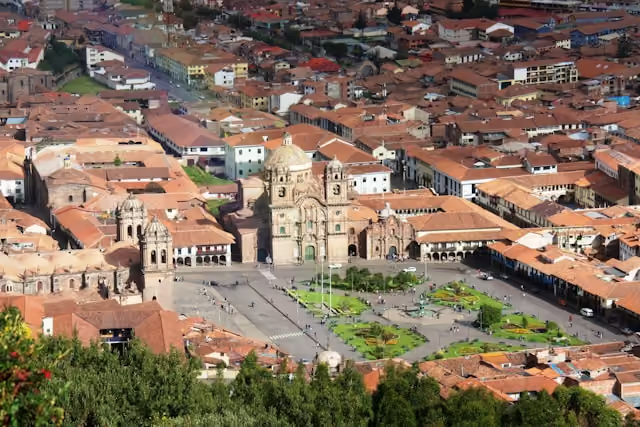
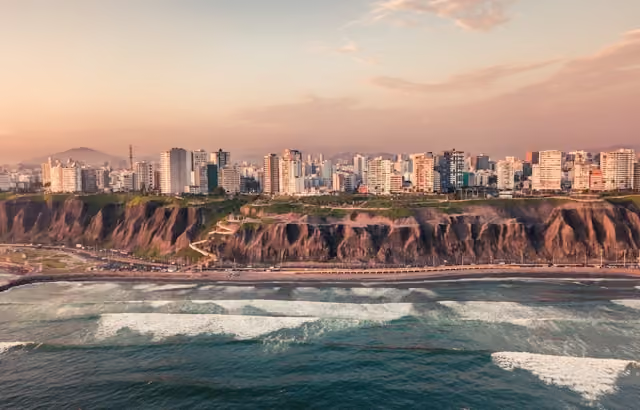
Popular destinations inPeru
Questions!
Can you drink tap water in Lima?
No. Tap water in Lima is not safe to drink. Peru's capital has a treated municipal supply but aging pipes and contamination during distribution make it unsafe for visitors.
Can you drink tap water in Cusco?
No. Tap water in Cusco is not safe to drink. At Cusco's altitude of 3,400m, water also boils at a lower temperature, so bottled water is particularly practical here.
Is tap water safe near Machu Picchu?
No. Tap water in Aguas Calientes (the town below Machu Picchu) is not safe to drink. Stick to sealed bottled water throughout your visit to the Sacred Valley region.
What is altitude sickness and does water affect it in Peru?
Altitude sickness (soroche) affects many visitors to Cusco and Machu Picchu. Staying well hydrated with safe bottled water helps manage symptoms. Avoid dehydration, which worsens the condition.
We don't conduct independent water testing. We summarises and interpret publicly available official data. Conditions can change rapidly — always verify with local authorities before travelling.
Explore all popular destinations inPeru
Explore more countries in South America
Water safety guides for South American countries covering the entire continent from Colombia to Argentina.


📚 Official Resources & Further Reading
World Health Organization – Peru Water Safety
CDC – Peru Travel Health Advisory
Peru Ministry of Health
Pan American Health Organization – Peru
U.S. Department of State – Peru Travel Advisory

.svg)
