

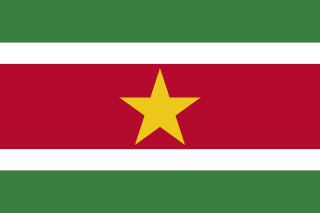
Can You Drink Tap Water in Suriname?
Tap water in Suriname is not safe to drink without treatment. Bottled or filtered water is recommended for travelers throughout the country.
Complete Drinking Water Safety Information for Suriname
Tap water in Suriname is generally not considered safe for drinking without treatment, and this applies even in the capital Paramaribo. The Surinaamsche Waterleiding Maatschappij (SWM) manages water supply and treatment in Paramaribo, and while water is chlorinated, the reliability and quality vary. Older infrastructure, pipe leakage, and occasional contamination events mean most residents and virtually all travelers rely on bottled or filtered water.
In Paramaribo, water pressure and supply are more consistent than in other parts of the country, but post-treatment contamination through aging distribution pipes remains a concern. Many local households use large water cooler dispensers with commercially purified water — a practical solution also adopted by most guesthouses and hotels catering to tourists.
Outside Paramaribo, water quality deteriorates significantly. Smaller towns like Nieuw Nickerie, Albina, and Moengo have less developed water treatment infrastructure, and in many cases residents rely on rainwater collection or river water. The interior of Suriname — covering vast stretches of Amazonian rainforest and home to indigenous Amerindian and Maroon communities — has no piped water supply, and all water must be boiled or filtered before consumption.
Suriname is also home to significant gold mining operations, and mercury contamination of rivers is a documented environmental concern in mining regions. Travelers in the interior, particularly along rivers near gold mining activity, should be especially cautious about consuming untreated water.
Bottled Water information in Suriname

Bottled water is widely available in Paramaribo at supermarkets, mini-markets, hotels, and restaurants. Local brands are available alongside imported options, and prices are reasonable at approximately SRD 8–20 (around USD $0.25–$0.60) per 1.5-litre bottle. Large 5 and 19-litre water cooler bottles are popular with residents and can be found at most supermarkets.
Outside Paramaribo, availability decreases with distance from the city. Smaller towns may have limited stock, and in the interior jungle communities and nature reserves, bottled water is generally not available. Travelers heading into Suriname's Amazonian interior — including the Central Suriname Nature Reserve — should carry water purification equipment rather than relying on finding bottled water.
Is ice safe in Suriname?
Ice in Suriname is not reliably safe, particularly in smaller restaurants, street stalls, and venues outside Paramaribo. Commercially produced ice from certified suppliers is available in the capital and is used by most hotels, but in local eateries the origin of ice is less certain and it may be made from tap water.
The safest approach for travelers is to request drinks without ice or to specifically ask whether ice is commercially produced. In upscale hotels and international restaurants in Paramaribo this is less of a concern, but outside these settings the risk is real enough to warrant caution.
Can you use a water filter in Suriname?
Water filters are highly recommended for travelers planning to venture into Suriname's interior. A filter capable of removing bacteria, protozoa, and heavy metals (such as those with activated carbon + hollow fiber membranes) is ideal given the mercury contamination risk in some river systems. The MSR Guardian, Katadyn Hiker, or LifeStraw Mission are suitable options for wilderness travel in Suriname.
For urban stays in Paramaribo, large water cooler dispensers with purified water are available throughout the city and are used widely by households and businesses. Countertop filters are also sold in local appliance stores. For most short-term travelers, sticking to commercially bottled water is simpler and just as effective.
Should you boil tap water in Suriname?
Yes, boiling is recommended if tap water is your only option. A rolling boil for at least one minute effectively kills pathogens including bacteria, viruses, and protozoa. In the interior of Suriname where river and stream water is the only source, boiling is essential — though pairing it with a filter is even better as boiling alone won't remove chemical contaminants or mercury from mining areas.
In Paramaribo, bottled water is affordable and widely available, so the need to boil tap water rarely arises for travelers. Boiling is more relevant for those doing extended trips into the rainforest interior or staying with communities off the grid.
Popular destinations inSuriname
Questions!
Can you drink tap water in Paramaribo?
No. While Paramaribo's water is treated and chlorinated by SWM, drinking directly from the tap is not recommended due to aging pipes and potential post-treatment contamination. Most residents and all travelers use bottled water or water cooler dispensers.
Is the water safe in Suriname's rainforest interior?
No, river and stream water in Suriname's interior must be treated before consumption. Boiling is the minimum requirement, but a quality filter is strongly advised, especially in areas affected by gold mining where mercury contamination of waterways is a documented concern.
What do locals drink in Suriname?
Most urban residents in Paramaribo use large water cooler dispensers with commercially purified water, or drink boiled water. In rural communities, rainwater collection and river water (often untreated) are common. Bottled water consumption has increased significantly in recent years.
Is ice safe in Suriname's restaurants?
It depends on the establishment. High-end hotels and international restaurants in Paramaribo typically use commercially produced ice, which is safe. In local warungs, smaller restaurants, and outside the capital, ice may be made from tap water and should be avoided.
Are there waterborne diseases in Suriname?
Yes. Traveler's diarrhea, typhoid, and hepatitis A are risks associated with contaminated water in Suriname. Malaria is also prevalent in the interior, though this is a separate concern. Using bottled or filtered water and practicing good hygiene significantly reduces the risk of waterborne illness.
We don't conduct independent water testing. We summarises and interpret publicly available official data. Conditions can change rapidly — always verify with local authorities before travelling.
Explore all popular destinations inSuriname
Explore more countries in South America
Water safety guides for South American countries covering the entire continent from Colombia to Argentina.



📚 Official Resources & Further Reading

.svg)
