

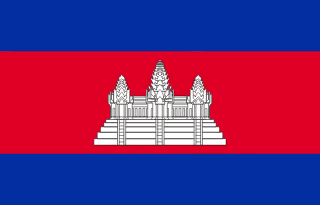
Can You Drink Tap Water in Cambodia?
Tap water in Cambodia is not safe to drink. Bottled or filtered water is essential for all travelers throughout the country.
Complete Drinking Water Safety Information for Cambodia
Tap water in Cambodia is unsafe for drinking and should be avoided throughout the country, including in Phnom Penh, Siem Reap, and coastal destinations like Sihanoukville. While the Phnom Penh Water Supply Authority (PPWSA) has made significant improvements to the capital's water treatment infrastructure over the past two decades — earning international recognition for its progress — the water still becomes contaminated as it travels through aging distribution pipes, rooftop storage tanks, and older building plumbing before reaching taps. Most Cambodian residents do not drink tap water directly and rely on bottled water or large refill dispensers.
In Siem Reap, the gateway to Angkor Wat and one of Cambodia's most visited destinations, water infrastructure lags significantly behind Phnom Penh. Water quality is unreliable and all hotels, guesthouses, and restaurants catering to tourists provide bottled water. The same applies across the country's growing tourist coastline, including Koh Rong, Kep, and Kampot, where infrastructure is limited and water sources may include poorly maintained wells or ground sources susceptible to contamination.
In rural and provincial Cambodia, water treatment infrastructure is largely absent. Communities rely on rivers, rainwater collection, ponds, and shallow wells — none of which should be consumed without treatment. Waterborne illnesses including typhoid, hepatitis A, cholera, and traveler's diarrhea are documented health risks for visitors who consume untreated water. Contamination risks increase significantly during and after the wet season (May–October) when flooding can overwhelm drainage and contaminate water sources.
Travelers should use bottled water for all drinking, brushing teeth, and washing produce. Ice in established tourist restaurants is generally safe as it is commercially produced, but ice in smaller local establishments or street food stalls may be made from tap water and should be avoided.
Bottled Water information in Cambodia

Bottled water is widely available throughout Cambodia and is very affordable, typically costing between 500–2,000 KHR (approximately USD $0.12–$0.50) per 1.5-litre bottle depending on brand and location. International brands including Dasani and Aquafina are available in supermarkets and larger stores, while locally produced brands are found throughout the country.
In guesthouses and hotels across tourist areas, small bottled water is often provided complimentarily. Large 20-litre water cooler refill stations are common in urban areas and are used by many long-term expats and residents. In more remote areas including rural provinces and island destinations, availability may be lower and prices slightly higher — stock up before heading off the main routes.
Is ice safe in Cambodia?
Ice safety in Cambodia depends heavily on where you are eating or drinking. In established tourist restaurants, hotels, and bars in Phnom Penh and Siem Reap, ice is typically commercially produced from purified water and is generally safe. You can usually identify commercial ice by its cylindrical shape with a hollow centre.
In local markets, street food stalls, and smaller eateries — particularly outside major cities — ice is frequently made from untreated tap water and should be avoided. A good rule of thumb when in doubt: request drinks without ice (in Khmer: "ot dak tuk kok") and choose chilled bottled beverages instead.
Can you use a water filter in Cambodia?
Water filters are a practical choice for Cambodia, particularly for travelers spending extended time in the country or venturing off the main tourist trail. A hollow fiber filter capable of removing bacteria and protozoa (such as Sawyer, LifeStraw, or Katadyn) is well-suited to Cambodian conditions. For maximum protection, look for filters that also address viruses, as viral contamination is a documented risk in Southeast Asian water sources.
For urban stays in Phnom Penh or Siem Reap, bottled water is inexpensive and convenient. However, for those concerned about plastic waste — a growing environmental issue in Cambodia — a quality filter significantly reduces single-use plastic consumption during a longer trip.
Should you boil tap water in Cambodia?
Yes, boiling is recommended if tap water is your only option. Bringing water to a rolling boil for at least one minute will kill bacteria, viruses, and parasites present in Cambodian tap water. This is particularly relevant in rural areas, at budget guesthouses without filtered water, or during trekking and off-the-beaten-path travel.
That said, bottled water is extremely affordable and widely available throughout Cambodia, making it the more practical choice for most travelers. For longer stays or overland travel, a quality portable filter such as the Sawyer Squeeze or LifeStraw provides a reliable and cost-effective alternative to purchasing bottled water daily.
.avif)
Questions!
Can you drink tap water in Phnom Penh?
No. Despite significant improvements to Phnom Penh's water treatment system, tap water is not recommended for drinking due to contamination risks through aging distribution pipes and building storage tanks. Bottled or filtered water is strongly advised for all visitors.
Is tap water safe in Siem Reap near Angkor Wat?
No. Tap water in Siem Reap is not safe to drink. All tourist-oriented hotels and restaurants provide bottled water. Use sealed bottled water throughout your stay, including for brushing teeth.
Is ice safe in Cambodia?
Commercially produced ice (cylindrical with a hollow centre) used in hotels and established restaurants is generally safe. Ice in street stalls and local eateries may be made from tap water and should be avoided. When in doubt, request drinks without ice.
What is the cheapest way to stay hydrated safely in Cambodia?
Large refill water stations offering purified water are available in most towns and are significantly cheaper than buying individual bottled water. Bringing a reusable bottle and refilling at these stations is both economical and reduces plastic waste.
Are there waterborne disease risks in Cambodia?
Yes. Typhoid, hepatitis A, traveler's diarrhea, and occasional cholera outbreaks are documented risks in Cambodia. Sticking to bottled or filtered water and avoiding ice from unknown sources significantly reduces your exposure.
We don't conduct independent water testing. We summarises and interpret publicly available official data. Conditions can change rapidly — always verify with local authorities before travelling.
Explore all popular destinations inCambodia
Explore more countries in Asia
Comprehensive tap water safety information for countries across Asia, including Southeast Asia, East Asia, South Asia, and Central Asia.



📚 Official Resources & Further Reading
World Health Organization – Cambodia
CDC – Cambodia Travel Health Advisory

.svg)
