


Can You Drink Tap Water in Puerto Vallarta?
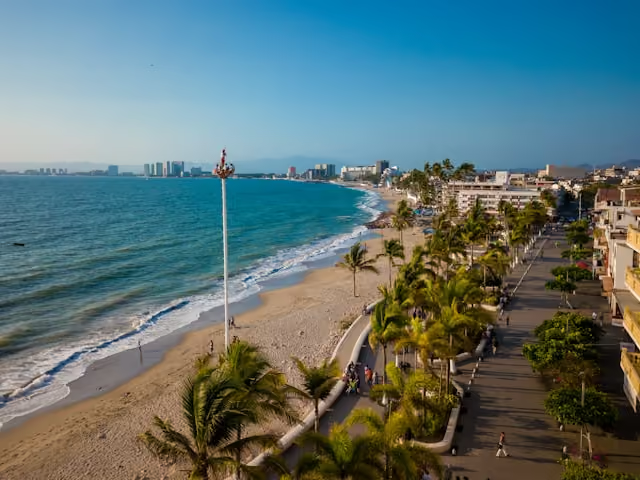
Complete Drinking Water Safety Information for Puerto Vallarta
Tap water in Puerto Vallarta is not safe to drink and this applies throughout the entire destination — the Romantic Zone (Zona Romántica) and historic old town of El Centro on the south bank of the Cuale River, the Hotel Zone (Zona Hotelera) stretching north along the Malecon boulevard, the marina district, and the wider Banderas Bay resort corridor extending to Nuevo Vallarta and Punta Mita in Nayarit state to the north. Water supply in Puerto Vallarta is managed by SEAPAL Vallarta (Sistema de los Servicios de Agua Potable, Drenaje y Alcantarillado de Puerto Vallarta), which draws from the Cuale River and groundwater sources in the Sierra Madre mountains inland of the Banderas Bay. Treatment at SEAPAL’s plants includes coagulation, sedimentation, filtration, and chlorination, and the water meets Mexican national standards at the point of treatment. The distribution network introduces quality variability before the water reaches any tap.
Puerto Vallarta’s water infrastructure has developed alongside one of Mexico’s most dramatic tourism growth stories. The city has evolved from a remote Pacific coast fishing village to an internationally known resort destination, and SEAPAL’s distribution network includes a mix of modern and aging pipe sections serving both the tourist corridor and the sprawling residential areas of the sierra foothills above the bay. In older neighbourhoods including the Romantic Zone’s traditional streets around the Church of Our Lady of Guadalupe and the El Centro market area, distribution infrastructure is older and more variable. Heavy chlorination throughout the network produces a detectable taste in the water even in better-maintained areas.
No Puerto Vallarta hotel, resort, or restaurant of any category presents tap water as a drinking option. The Hotel Zone’s large international resort properties — along the northern boulevard toward the Marina — maintain their own internally filtered systems for food preparation and ice. Boutique hotels in the Romantic Zone and on Conchas Chinas south of the Cuale River all provide sealed bottled water for guests. The city’s large and active North American expat community, which has made Puerto Vallarta one of Mexico’s most established expat destinations, universally relies on garrafón delivery or installed reverse osmosis systems for daily drinking water.
For visitors exploring Puerto Vallarta’s beaches and surrounding area — snorkelling at Los Arcos National Marine Park, whale watching in Banderas Bay during the December–March humpback season, the jungle canopy tours in the Sierra Madre above Mismaloya, or the boat trip to the remote Yelapa village beach — carrying sufficient sealed bottled water for the duration of any excursion is essential. Yelapa, accessible only by water taxi from Los Muertos pier in the Romantic Zone, has no reliable municipal water supply and sealed bottled water must be brought from Puerto Vallarta for any visit. Puerto Vallarta’s Pacific coast tropical climate — hot and humid year-round with summer temperatures regularly exceeding 35°C — makes adequate hydration from safe sealed sources a genuine health priority throughout any active day.
For visitors extending their stay to wider Jalisco and Nayarit state destinations — to Sayulita and San Pancho in Nayarit’s Riviera Nayarit, the traditional town of San Sebastián del Oeste in the Sierra Madre, or the islands of the Marias Archipelago — the same water safety approach applies throughout the Pacific coast of Mexico. Sealed bottled water is the consistent recommendation throughout any Mexican Pacific coast itinerary from Puerto Vallarta.
Bottled Water Information
Bottled water is universally available throughout Puerto Vallarta at every OXXO, Walmart, Costco, and supermarket across the city and the Banderas Bay corridor. Bonafont, Ciel, and E-Pura are the most widely available Mexican still water brands. A 1.5-litre bottle costs approximately MXN 15–35 at convenience stores throughout the Romantic Zone (Zona Romantica), the Hotel Zone (Zona Hotelera) on the northern boulevard, and Nuevo Vallarta to the north. The 20-litre garrafón delivery system is standard in Puerto Vallarta apartments and longer-stay accommodation throughout the Banderas Bay area.
Is Ice Safe in Puerto Vallarta?
Ice safety in Puerto Vallarta requires consistent awareness. At established Hotel Zone resort bars, boutique hotel venues in the Romantic Zone, and well-known tourist-facing restaurants along the Malecon, ice is generally produced from purified water and is safe. At local taco stands, street food stalls throughout El Centro market, and informal vendors along the beach south of the Cuale River, ice quality is less certain. Request sin hielo (without ice) at any informal venue where purified-water ice production cannot be confirmed.
Should You Use a Water Filter in Puerto Vallarta?
A water filter is a practical option for longer stays in Puerto Vallarta, particularly for expats and snowbirds in condo rentals in the Romantic Zone or Hotel Zone where garrafón delivery is standard but a countertop reverse osmosis system provides the most reliable daily solution. Reverse osmosis units are widely available from Walmart, Home Depot Mexico, and local hardware stores throughout the city. For standard hotel stays, sealed bottled water is the most convenient solution. Portable filter bottles are useful for Yelapa water taxi day trips and wider Jalisco and Nayarit coast exploration.
Should You Boil Tap Water in Puerto Vallarta?
Boiling Puerto Vallarta tap water kills biological contaminants but does not address chemical residues or sediment from aging pipes. Sealed bottled water is universally available throughout the city and the Banderas Bay resort corridor at very low cost and is the practical solution for all visitors.
Questions!
Is tap water safe to drink in Puerto Vallarta?
No. Tap water in Puerto Vallarta is not safe to drink. SEAPAL Vallarta treats the supply from the Cuale River and groundwater, but aging distribution infrastructure means the water is not suitable for direct consumption. No hotel, restaurant, or resident drinks tap water directly. Use sealed bottled water for all drinking and tooth brushing throughout your stay.
Is ice safe in Puerto Vallarta restaurants and beach clubs?
At established Hotel Zone resorts, Romantic Zone boutique hotel bars, and tourist-facing restaurants along the Malecon, ice is generally produced from purified water and is safe. At local taco stands, street food vendors, and informal markets, ice quality is less certain. Request sin hielo (without ice) at any informal venue where you cannot confirm the ice source.
What bottled water is available in Puerto Vallarta?
Bonafont, Ciel, and E-Pura are the most widely available Mexican still water brands. A 1.5-litre bottle costs MXN 15–35 at OXXO, Walmart, and supermarkets throughout the city. The 20-litre garrafón delivery system is the most economical option for apartment or condo stays anywhere in the Banderas Bay area.
Is water safe at the Yelapa beach accessible by water taxi from Puerto Vallarta?
No. Yelapa is a remote beach village accessible only by water taxi from Los Muertos pier, with no reliable municipal water supply. Always carry sufficient sealed bottled water from Puerto Vallarta for any Yelapa day trip — do not rely on local water sources at the village.
Is tap water safe in Nuevo Vallarta and Punta Mita?
No. The same water safety approach applies throughout the Banderas Bay corridor including Nuevo Vallarta, Bucerías, La Cruz de Huanacaxtle, and Punta Mita in Nayarit state. Use sealed bottled water throughout any Banderas Bay itinerary.
We don't conduct independent water testing. We summarise and interpret publicly available official data. Conditions can change rapidly — always verify with local authorities before travelling.
Explore more destinationsMexico
📚 Official Resources & Further Reading
World Health Organization (WHO) – Drinking Water Safety Guidelines
Centers for Disease Control and Prevention (CDC) – Mexico Travel Health Advice
Australian Government – Smartraveller Mexico

.svg)
