

Can You Drink Tap Water in Cuba?
Tap water in Cuba is not safe to drink for tourists. Infrastructure is poor and contamination is common throughout the island.
Complete Drinking Water Safety Information for Cuba
Tap water in Cuba is unsafe for drinking and should be avoided by tourists throughout the country including Havana, Varadero, Trinidad, and other destinations. Cuba's water infrastructure is severely degraded due to decades of underinvestment, aging pipes, and inadequate treatment facilities. Water treatment exists in major cities but is inconsistent, and distribution systems are heavily compromised by corrosion, leaks, and contamination. Most Cubans do not drink tap water directly and use boiled water or purchase bottled water when available.
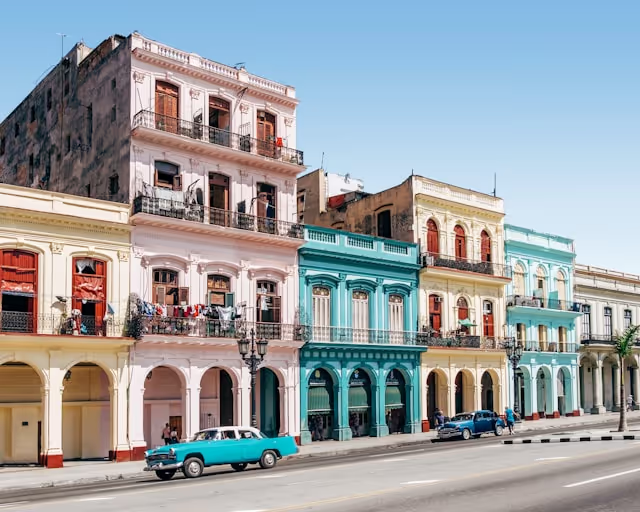
In Havana, despite being the capital, tap water is unsafe. Water service is intermittent in many neighborhoods with residents receiving water only certain hours or days of the week. When pipes are empty, contamination can enter the system. Varadero, the main beach resort area, has slightly better infrastructure due to tourism investment, but tap water remains unsafe for visitors. All-inclusive resorts in Varadero provide bottled water and use purified water for ice and food preparation.
Outside resort properties, do not consume tap water. In Trinidad, Cienfuegos, Santiago de Cuba, and other cities popular with tourists, water infrastructure is poor and tap water is consistently unsafe. Rural areas and smaller towns have minimal water treatment. Cuba experiences frequent waterborne disease outbreaks including typhoid, hepatitis A, and severe gastroenteritis. Contamination is particularly problematic during hurricane season and heavy rains.
The country also faces overall water scarcity issues affecting availability. Use bottled water exclusively for drinking, brushing teeth, and washing produce. Bottled water availability can be inconsistent in Cuba outside major tourist areas, so stock up when you see it. Ice outside resort properties should be avoided completely.
Bottled Water information in Cuba

Bottled water availability is inconsistent in Cuba. In Varadero resorts and hotels, bottled water is provided. In Havana and other cities, bottled water (agua embotellada) can be found at CUC stores, hotels, and some restaurants, typically CUC 1-2 (USD $1-2) per liter, but supply is unreliable. Stock up when available.
Is ice safe in Cuba?
Ice should be avoided in Cuba except in all-inclusive resorts and international hotels where ice is made from purified water. Ice in local restaurants, bars, and paladares (private restaurants) is typically made from tap water and unsafe. Always request drinks without ice unless you can verify purification.
Can you use a water filter in Cuba?
High-quality portable water filters can provide backup safety but bottled water should be your primary source. Bring a filter from home as they're not readily available in Cuba. Filters must remove bacteria, viruses, and protozoa.
Should you boil tap water in Cuba?
Yes. If bottled water is unavailable, boiling tap water for at least one minute is essential. Many Cuban families boil water daily. However, bottled water is the more reliable option for tourists when available.
Questions!
Can you drink tap water in Havana?
No. Despite having a municipal treatment system, Havana's pipes are old and contamination during distribution is common. Bottled water is essential throughout the city.
Is water safe in Cuban resorts in Varadero?
Most resorts in Varadero use filtered water for drinking and cooking. Even so, drink only sealed bottled water during your stay rather than from room taps.
Why is Cuba's tap water unsafe?
Cuba's water infrastructure has suffered from decades of underinvestment. Frequent water shortages, old pipework, and contamination from agricultural and sewage sources all contribute.
We don't conduct independent water testing. We summarises and interpret publicly available official data. Conditions can change rapidly — always verify with local authorities before travelling.
Explore all popular destinations inCuba
Explore more countries in Caribbean
Complete tap water safety guides for Caribbean islands including Jamaica, Bahamas, Dominican Republic, Barbados, Aruba, Trinidad and Tobago, and all major island destinations.

📚 Official Resources & Further Reading
World Health Organization – Cuba Health Profile
CDC – Cuba Travel Health Advisory
Cuba Ministry of Public Health
Pan American Health Organization – Cuba
U.S. Department of State – Cuba Travel Advisory

.svg)
