

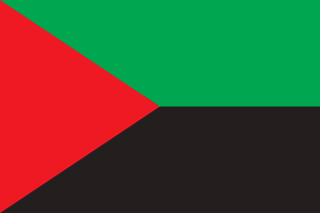
Can You Drink Tap Water in Martinique?
Tap water in Martinique is safe to drink. As a French overseas territory, water meets EU standards throughout the island.
Complete Drinking Water Safety Information for Martinique
Tap water in Martinique is safe to drink. As a French overseas territory (département d'outre-mer), Martinique operates under French law and EU drinking water directives. Water is treated and distributed to the same standards as metropolitan France. Visitors from any country can drink tap water throughout the island without concern.
Fort-de-France, the capital and main urban centre, has a fully treated water supply meeting European standards. The island's water comes from rivers and springs in its mountainous interior, including the slopes of Mount Pelée — one of the Caribbean's most famous volcanoes. The abundant tropical rainfall makes Martinique one of the most water-rich islands in the region.
The resort areas along the south coast — including Sainte-Anne, Le Marin, and Les Trois-Îlets — all have reliable treated water supplies. Hotels and resorts throughout the island provide safe water for guests. Tap water quality is generally excellent given the island's natural freshwater sources and EU treatment standards.
Mount Pelée in the north, which famously erupted in 1902 destroying the city of Saint-Pierre, is a popular hiking destination. Water from streams and natural sources in the volcanic interior should be treated before drinking despite appearing clean — carry a filter for any hiking in remote areas.
Overall Martinique is one of the Caribbean's safest water destinations. Tap water is safe throughout the island and bottled water is available for those who prefer it. No special water precautions are needed for standard tourism.
Bottled Water in Martinique

Bottled water is widely available in supermarkets, restaurants, and hotels throughout Martinique. French and local brands are available at affordable prices. Tap water is safe throughout the island so bottled water is entirely a matter of preference for visitors.
Is ice safe in Martinique?
Ice is completely safe throughout Martinique. As a French overseas territory, water meets EU standards and ice at all restaurants, hotels, and bars is made from treated tap water. There are no ice safety concerns anywhere on the island.
Can you use a water filter in Martinique?
A filter is not necessary for standard tourism in Martinique. Tap water throughout the island is safe to drink. For hiking on Mount Pelée or in remote rainforest areas, carry a filter as a precaution for natural stream sources which may carry Giardia from wildlife.
Should you boil tap water in Martinique?
Boiling is not necessary in Martinique. The island's water supply is treated to French and EU standards and is safe to drink directly from the tap throughout the island. Bottled water is available for those who prefer it.
Popular destinations inMartinique
Questions!
Is tap water safe to drink in Martinique?
Yes. Martinique is a French overseas territory and tap water meets French and EU drinking water standards throughout the island. Visitors can drink freely from the tap anywhere on the island.
Can I drink tap water at my hotel in Martinique?
Yes. Hotel tap water in Martinique is safe to drink. The island's water supply meets European standards. Bottled water is also available as a courtesy at most hotels.
Is water safe for hiking on Mount Pelée?
Tap water at facilities near Mount Pelée is safe. Natural streams in the volcanic interior should be treated before drinking as wildlife can contaminate sources. Carry a filter for any remote mountain hiking.
Is Martinique one of the Caribbean's safest water destinations?
Yes. Along with Guadeloupe, Martinique is among the safest water destinations in the Caribbean due to its French EU-standard water treatment. No special water precautions are needed for standard tourism.
What is the safest approach to water in Martinique?
Drink tap water freely throughout Martinique. No special precautions are needed. For remote rainforest hiking, carry a filter as a precaution for natural sources. Bottled water is available everywhere for those who prefer it.
We don't conduct independent water testing. We summarises and interpret publicly available official data. Conditions can change rapidly — always verify with local authorities before travelling.
Explore all popular destinations inMartinique
Explore more countries in Caribbean
Complete tap water safety guides for Caribbean islands including Jamaica, Bahamas, Dominican Republic, Barbados, Aruba, Trinidad and Tobago, and all major island destinations.

📚 Official Resources & Further Reading
World Health Organization – Martinique
CDC – Martinique Travel Health Advisory
U.S. Department of State – France Travel Advisory

.svg)
