

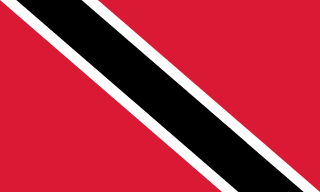
Can You Drink Tap Water in Trinidad and Tobago?
Tap water in Trinidad is treated and generally safe in urban areas, though many residents use filters. Tobago's water quality is less consistent.
Complete Drinking Water Safety Information for Trinidad and Tobago
Tap water safety varies between Trinidad and Tobago and also depends on your specific location on each island. In Trinidad, particularly in Port of Spain and other urban areas, tap water is treated by the Water and Sewerage Authority (WASA) and generally meets safety standards. Many residents in cities drink tap water, though a significant number use household filters or bottled water as a precaution. Water quality in Trinidad can be inconsistent due to aging infrastructure, intermittent supply, and maintenance challenges. Some neighborhoods experience water shortages requiring storage in tanks which may not always be properly maintained.
In rural areas of Trinidad and smaller towns, water treatment is less reliable and bottled water is recommended. Tobago generally has less consistent water quality than Trinidad. While water is treated in Scarborough and Crown Point near the airport, infrastructure is more limited and water quality fluctuates more noticeably. Many hotels and guesthouses in Tobago provide bottled water or have filtration systems due to inconsistent municipal water quality. If staying in villas or rental properties on either island, verify water safety with your host.
Some properties have excellent filtration systems while others recommend bottled water. Common issues include occasional boil water advisories during maintenance or after heavy rains. Waterborne illnesses are not extremely common but travelers with sensitive stomachs should exercise caution. Most upscale hotels have water treatment systems and provide safe tap water or bottled water to guests.
When uncertain, bottled water is the safest choice particularly on Tobago or in rural areas.
Bottled Water information in Trinidad and Tobago

Bottled water is affordable (TTD 6-12 or USD $0.90-$1.80 per liter) and available at supermarkets, pharmacies, gas stations, and convenience stores throughout both islands. Popular brands include Blue Waters and Trinity. Most hotels provide bottled water in rooms.
Is ice safe in Trinidad and Tobago?
Ice safety varies by establishment. Ice in upscale hotels and established restaurants in Port of Spain and tourist areas is generally safe. Ice in local establishments, street vendors, and rural areas should be verified or avoided if uncertain about the water source.
Can you use a water filter in Trinidad and Tobago?
Water filters are very common in Trinidad and Tobago with many households using filtration systems. For visitors staying in rental properties or areas with inconsistent water quality, a portable filter provides good backup safety.
Should you boil tap water in Trinidad and Tobago?
Boiling is recommended if you're uncertain about water quality, particularly in rural areas, on Tobago, or during boil water advisories. In urban Trinidad where water is treated, boiling is optional but some residents do so as a precaution.
Popular destinations inTrinidad and Tobago

Questions!
Can you drink tap water in Port of Spain?
It is treated but not reliably safe to drink directly. Older pipes and intermittent supply create contamination risks. Bottled water is the recommended choice for visitors.
Is water safer in Tobago than Trinidad?
Not necessarily. Water quality in Tobago can be equally variable. Many tourist resorts provide filtered water, but tap water from the main supply should be treated with caution on both islands.
We don't conduct independent water testing. We summarises and interpret publicly available official data. Conditions can change rapidly — always verify with local authorities before travelling.
Explore all popular destinations inTrinidad and Tobago
Explore more countries in Caribbean
Complete tap water safety guides for Caribbean islands including Jamaica, Bahamas, Dominican Republic, Barbados, Aruba, Trinidad and Tobago, and all major island destinations.

📚 Official Resources & Further Reading
World Health Organization – Trinidad and Tobago
CDC – Trinidad and Tobago Travel Information
Trinidad and Tobago Ministry of Health
Water and Sewerage Authority (WASA) Trinidad and Tobago
U.S. Department of State – Trinidad and Tobago Information

.svg)
