

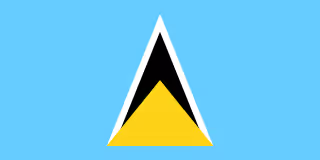
Can You Drink Tap Water in Saint Lucia?
Tap water in Saint Lucia is treated and generally safe in resort areas, but bottled water is recommended for visitors throughout the island.
Complete Drinking Water Safety Information for Saint Lucia
Tap water in Saint Lucia is treated by the Water and Sewerage Company (WASCO) and is generally considered safe by Caribbean standards. The island has a reliable rainfall pattern and draws water from rivers and reservoirs in its forested interior. Most visitors at established resorts can safely drink tap water, though bottled water is the recommended default for peace of mind throughout the stay.
Castries, the capital, and the main resort areas along the west coast — including Rodney Bay, Cap Estate, and Marigot Bay — all have reliable treated water supplies. Hotels and resorts throughout these areas provide safe water for guests. The tap water taste is generally good given the island's natural freshwater sources.
The south of the island around Soufrière, home to the iconic Piton mountains and the drive-in volcano, has similarly reliable water infrastructure. Luxury resorts in this area such as Sugar Beach and Ladera manage water safely for guests. The surrounding rainforest and volcanic landscape make Saint Lucia one of the Caribbean's most naturally water-rich islands.
In more rural areas and smaller villages away from the main tourist corridors, water supply can be less consistent. Visitors to remote guesthouses or on hiking excursions through the interior should confirm water safety with their accommodation. The interior rainforest trails have no water infrastructure — carry sufficient bottled water for any hiking day.
Overall Saint Lucia is one of the safer Caribbean islands for water. Bottled water is widely available throughout the island. Most visitors at established resorts will have no issues, but bottled water remains the recommended choice throughout your stay.
Bottled Water in Saint Lucia

Bottled water is widely available throughout Saint Lucia in supermarkets, hotels, restaurants, and convenience stores. Local and imported brands are readily available. Budget roughly 3–6 XCD (USD $1.10–$2.20) per litre. Most resorts provide complimentary bottled water for guests.
Is ice safe in Saint Lucia?
Ice is generally safe throughout Saint Lucia at hotels, resorts, and established restaurants given the island's treated water supply. In local rum shops and very informal settings, exercise normal caution. Overall ice safety is not a significant concern at any established venue on the island.
Can you use a water filter in Saint Lucia?
A filter is not necessary for standard tourism in Saint Lucia. Tap water at established resorts and hotels is treated and reliable. For hiking in the interior rainforest where natural water sources may be encountered, carrying a filter provides useful precaution against Giardia from stream sources.
Should you boil tap water in Saint Lucia?
Boiling is not necessary at established resorts and hotels in Saint Lucia where the water supply is treated and reliable. In remote rural guesthouses where supply consistency may vary, boiling provides useful backup. Bottled water is widely available and is the simplest precaution throughout your stay.
Popular destinations inSaint Lucia
Questions!
Is tap water safe to drink in Saint Lucia?
Tap water in Saint Lucia is treated and generally safe at established resorts and in main towns. Most visitors use bottled water throughout their stay for convenience. Bottled water is inexpensive and widely available.
Can I drink tap water at my resort?
Yes, established resorts and hotels in Saint Lucia provide safe treated water. Most properties also offer complimentary bottled water for guests. Tap water quality is generally good given the island's natural freshwater sources.
Is water safe near the Pitons and Soufrière?
Yes, resorts and accommodation in the Soufrière area have reliable water supplies. The volcanic and rainforest landscape makes Saint Lucia one of the Caribbean's most water-rich islands. Bottled water is available throughout the south.
What about water for hiking in Saint Lucia's interior?
Do not drink from natural streams or rivers during rainforest hikes. Carry sufficient bottled water for any hiking day. A filter provides useful precaution if you need to use natural sources in an emergency.
What is the safest approach to water in Saint Lucia?
Use bottled water throughout your stay for complete peace of mind. Tap water at established resorts is generally safe but bottled water eliminates any risk. Ice at hotels and restaurants is safe throughout the island.
We don't conduct independent water testing. We summarises and interpret publicly available official data. Conditions can change rapidly — always verify with local authorities before travelling.
Explore all popular destinations inSaint Lucia
Explore more countries in Caribbean
Complete tap water safety guides for Caribbean islands including Jamaica, Bahamas, Dominican Republic, Barbados, Aruba, Trinidad and Tobago, and all major island destinations.


📚 Official Resources & Further Reading
World Health Organization – Saint Lucia
CDC – Saint Lucia Travel Health Advisory
U.S. Department of State – Saint Lucia Travel Advisory

.svg)
