

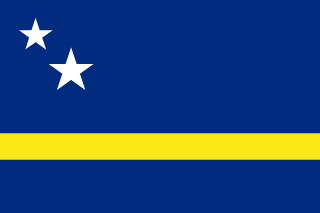
Can You Drink Tap Water in Curaçao?
Tap water in Curaçao is treated to a safe standard and is technically drinkable, but most visitors use bottled water due to the desalinated taste.
Complete Drinking Water Safety Information for Curaçao
Tap water in Curaçao is produced by Aqualectra, the island's utility, using reverse osmosis seawater desalination. The water meets Dutch and EU-equivalent safety standards and is technically safe to drink throughout the island. Curaçao is a constituent country of the Kingdom of the Netherlands, and its water quality oversight reflects European standards.
In Willemstad — the UNESCO-listed capital with its iconic colourful Dutch colonial waterfront — tap water from hotels and modern buildings is safe. The water has the flat, neutral taste characteristic of desalinated water, which is why most visitors and many locals prefer bottled water despite it being technically unnecessary from a safety standpoint.
The island's resort areas including Mambo Beach, Jan Thiel, and the Blue Bay resort zone all receive the same Aqualectra supply. Hotels throughout these areas provide bottled water for guests as standard. Water quality is consistent across the island given the centralised desalination system.
In older residential areas and buildings with aging internal plumbing, a brief flush before drinking is a reasonable precaution. For most visitors staying in hotels and modern accommodation, tap water is safe — but bottled water is widely available, affordable, and what virtually everyone drinks in practice.
Ice throughout Curaçao's restaurants and bars is generally safe given the treated supply. Bottled water is available at supermarkets island-wide at prices reflecting the Dutch Caribbean cost of living.
Bottled Water in Curaçao

Bottled water is widely available throughout Curaçao at supermarkets, hotels, and beach clubs. Prices are moderate reflecting the Dutch Caribbean economy. Most hotels include bottled water in rooms as standard. Tap water is safe but bottled water is what nearly everyone drinks.
Is ice safe in Curaçao?
Ice is generally safe throughout Curaçao given the island's treated desalinated water supply. Hotels, restaurants, and beach clubs all use the same Aqualectra supply. No specific precautions are needed with ice at established venues across the island.
Can you use a water filter in Curaçao?
A filter is not necessary for safety in Curaçao. The desalinated water supply is treated and safe. Some residents use reverse osmosis filters to improve taste, but this is a preference not a safety requirement. Bottled water is the practical choice for most visitors.
Should you boil tap water in Curaçao?
Boiling is not necessary in Curaçao. The desalinated water supply meets safety standards and is safe to drink as treated. Most visitors simply use bottled water as a personal preference given the desalination taste.
Popular destinations inCuraçao
Questions!
Is tap water safe to drink in Curaçao?
Technically yes. Curaçao's desalinated water meets Dutch safety standards and is safe to drink. Most visitors use bottled water due to the flat desalination taste rather than any safety concern.
Where does Curaçao's water come from?
Curaçao has no natural freshwater. All drinking water is produced by Aqualectra through reverse osmosis seawater desalination. The island has been desalinating seawater since the 1920s and has one of the Caribbean's longest-established desalination operations.
Is water safe at Curaçao's beach clubs and resorts?
Yes. All venues use the same Aqualectra treated supply. Ice and water at established beach clubs and resort hotels are safe throughout the island.
What is the best bottled water option in Curaçao?
Local and imported bottled water is available at supermarkets across the island. Most hotels provide complimentary bottled water in rooms. Tap water is safe but bottled water is the default choice for visitors and residents alike.
We don't conduct independent water testing. We summarises and interpret publicly available official data. Conditions can change rapidly — always verify with local authorities before travelling.
Explore all popular destinations inCuraçao
Explore more countries in Caribbean
Complete tap water safety guides for Caribbean islands including Jamaica, Bahamas, Dominican Republic, Barbados, Aruba, Trinidad and Tobago, and all major island destinations.


📚 Official Resources & Further Reading
World Health Organization – Curaçao
CDC – Curaçao Travel Health Advisory
U.S. Department of State – Curaçao Travel Advisory

.svg)
