

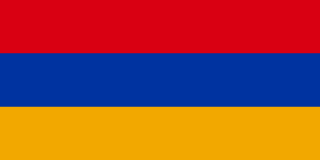
Can You Drink Tap Water in Armenia?
Tap water in Armenia is treated in Yerevan and considered safe by many locals, but most visitors use bottled water as a precaution.
Complete Drinking Water Safety Information for Armenia
Tap water in Armenia presents a varied picture depending on location. In Yerevan, the capital and by far the most visited city, tap water is supplied from Lake Sevan and mountain springs via the Yerevan Water utility and is treated to Armenian national standards. Yerevan's tap water is considered by many locals to be of reasonable quality, and a proportion of residents drink it directly — particularly those in newer buildings. However, aging distribution infrastructure in parts of the city means water quality at the tap can vary, and most visitor guidance recommends bottled water as a precaution. Hotels and guesthouses catering to international visitors provide bottled water as standard.
Armenia has experienced a significant tourism boom in recent years, driven by its stunning landscapes, ancient monasteries, unique cuisine, and growing reputation as an accessible Caucasus destination. Yerevan itself has become a lively and increasingly cosmopolitan city. For most short-term visitors staying in hotels and modern accommodation, tap water quality in Yerevan is generally acceptable though bottled water remains the recommended default.
Outside Yerevan, water infrastructure is considerably more limited. In Gyumri, Armenia's second city, and in the towns and villages across Armenia's highland provinces, water supply can be intermittent and infrastructure is older. In rural areas and monastery regions popular with tourists — including Tatev, Khor Virap, Noravank, and the Dilijan National Park area — bottled water is essential. Armenia's mountain regions have abundant natural springs of high quality, and spring water (aghbyur) from marked public fountains throughout the country is widely consumed by locals and is generally considered safe, though visitors should exercise caution.
Bottled Water information in Armenia

Bottled water is widely available throughout Armenia in supermarkets, shops, and hotels. Armenian mineral water brands are of good quality — Jermuk, sourced from the mineral springs of the Jermuk resort town in the Vayots Dzor province, is Armenia's most famous mineral water and is exported internationally. Prices are affordable at AMD 200–500 (approximately USD $0.50–$1.30) per 1.5-litre bottle. In rural areas and remote monastery destinations, bottled water availability is more limited — stock up in Yerevan or the nearest town before heading into remote areas.
Is ice safe in Armenia?
Ice in Yerevan's hotels, upscale restaurants, and tourist-oriented venues is generally made from filtered or commercial water and is reasonably safe. In local Armenian restaurants and cafes, ice may be made from tap water. In rural areas and guesthouses outside Yerevan, ice is rarely available. Opt for chilled bottled drinks when uncertain about ice source.
Can you use a water filter in Armenia?
A portable filter is a practical choice for travel beyond Yerevan, particularly for hiking in the Armenian Highlands, visiting monastery regions, or staying in rural guesthouses. A quality hollow fibre filter provides protection from natural spring and well water sources. For Yerevan-based visitors, bottled water or a pitcher filter is the practical choice.
Should you boil tap water in Armenia?
Boiling is recommended outside Yerevan and in areas with variable water infrastructure. In Yerevan, boiling provides additional reassurance for those with sensitive stomachs. A rolling boil for one minute kills biological pathogens. Bottled water is the more practical option for most visitors throughout the country.
Popular destinations inArmenia
Questions!
Can you drink tap water in Yerevan?
Yerevan's tap water is treated and considered acceptable quality by local standards, with many residents drinking it directly. However, aging pipes in older buildings mean quality varies. Bottled water is the recommended choice for visitors. Most hotels provide bottled water as standard.
Is Jermuk water worth trying?
Yes. Jermuk is Armenia's most celebrated mineral water, sourced from volcanic springs in southern Armenia and known for its distinctive mineral content. It has been bottled commercially since the Soviet era and is widely regarded as one of the region's finest mineral waters. It is widely available throughout Armenia.
Is Armenian spring water (aghbyur) safe to drink?
Public mountain spring fountains (aghbyur) are found throughout Armenia and are widely used and consumed by locals. The water is generally of good natural quality. Visitors with sensitive stomachs should exercise caution and prefer bottled water, particularly from springs in agricultural areas where contamination from runoff is possible.
Is water safe for visiting Armenia's monasteries?
At major monastery sites including Tatev, Geghard, Noravank, and Khor Virap, bottled water is available from vendors and tourist shops. Carry sufficient water from Yerevan or the nearest town for any monastery day trip, particularly in summer heat.
Is Armenia safe to visit as a tourist?
Yes. Armenia is considered a safe and welcoming tourist destination with a remarkable cultural heritage. The country has seen significant growth in international visitors in recent years. Standard food and water hygiene precautions apply throughout your visit.
We don't conduct independent water testing. We summarises and interpret publicly available official data. Conditions can change rapidly — always verify with local authorities before travelling.
Explore all popular destinations inArmenia
Explore more countries in Europe
Complete tap water safety guides for European countries, covering Western Europe, Eastern Europe, Southern Europe, and Northern Europe.























.svg)
