

Can You Drink Tap Water in Turkey?
Tap water in Turkey varies by location. Major cities have treated water that's technically safe but most tourists prefer bottled water.
Complete Drinking Water Safety Information for Turkey
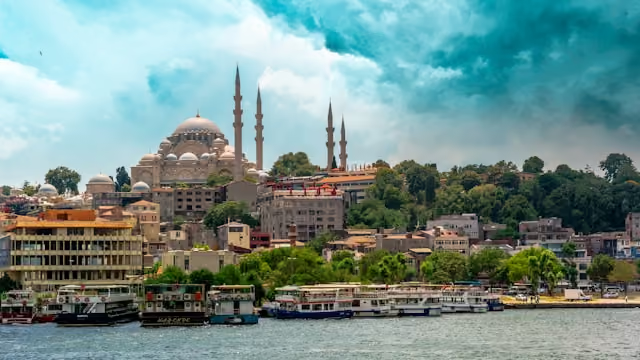
Tap water safety in Turkey varies considerably by location and most visitors prefer bottled water throughout their stay. In Istanbul, Ankara, and Izmir, tap water is treated by municipal authorities and technically meets safety standards. However, infrastructure varies greatly by neighborhood and contamination can occur in distribution through aging pipes and rooftop storage tanks common in Turkish buildings. Many Turkish residents in cities do not drink tap water directly and use bottled water or filtration systems. In Istanbul's tourist areas including Sultanahmet, Taksim, and Beyoğlu, hotels typically provide bottled water and recommend guests use it rather than tap water.
While tap water won't make you seriously ill, it can cause stomach upset in visitors not accustomed to local bacteria. In Ankara and Izmir, the same pattern applies - water is treated but quality fluctuates. Coastal resort areas including Antalya, Bodrum, Marmaris, and Fethiye have treated water but tourists should use bottled water. Infrastructure in resort areas varies and water is often stored in tanks. Along the Mediterranean and Aegean coasts, most hotels and restaurants provide bottled water.
In Cappadocia, Pamukkale, and inland tourist destinations, water treatment is less consistent and bottled water is strongly recommended. Eastern Turkey and rural areas have limited water treatment infrastructure and bottled water is essential. Throughout Turkey, even where tap water is technically safe, visitors commonly experience stomach issues due to different bacteria and mineral content. Ice in upscale hotels and restaurants in major cities is usually safe, but ice elsewhere should be avoided. Use bottled water for drinking and brushing teeth throughout Turkey to avoid discomfort.
Bottled Water information in Turkey

Bottled water is very cheap (5-10 TRY or USD $0.20-$0.40 per liter) and available everywhere including BIM and A101 supermarkets, bakkal (corner shops), gas stations, and tourist areas. Popular brands include Erikli, Hayat, and Sırma. Essential for your entire Turkey trip.
Is ice safe in Turkey?
Ice safety varies significantly. Ice in international hotels and upscale restaurants in Istanbul, Ankara, and Izmir may be safe. Ice in local restaurants, çay bahçesi (tea gardens), and coastal resort areas should be avoided unless you can confirm it's made from bottled or filtered water.
Can you use a water filter in Turkey?
Many expatriates in Turkey use water filters and this is recommended for long-term stays. For tourists, a portable filter can provide backup but bottled water is more convenient and reliable.
Should you boil tap water in Turkey?
If you plan to drink tap water in Turkey, boiling for one minute is recommended particularly outside major cities. However, bottled water is cheap and universally available, making it more practical than boiling.
Questions!
Can you drink tap water in Istanbul?
Tap water in Istanbul is technically treated and meets Turkish standards, but it is generally not recommended for visitors to drink directly due to aging infrastructure and a strong chlorine taste. Most locals and tourists use bottled or filtered water.
Is tap water safe in Turkish coastal resorts like Antalya and Bodrum?
Tap water in coastal resort areas is treated but most hotels, restaurants, and residents use bottled water. It is the standard practice throughout Turkey for visitors to drink bottled water rather than tap water.
Can you brush your teeth with tap water in Turkey?
Most short-term visitors brush their teeth with tap water without issue. If you have a sensitive stomach, using bottled water for teeth brushing, especially in the first few days, is the cautious approach.
We don't conduct independent water testing. We summarises and interpret publicly available official data. Conditions can change rapidly — always verify with local authorities before travelling.
Explore all popular destinations inTurkey
Explore more countries in Europe
Complete tap water safety guides for European countries, covering Western Europe, Eastern Europe, Southern Europe, and Northern Europe.













📚 Official Resources & Further Reading
World Health Organization – Turkey Water Quality
Turkey Ministry of Health
CDC – Turkey Travel Health Advisory
Turkish Water Authority
U.S. Department of State – Turkey Travel Advisory

.svg)
