

Can You Drink Tap Water in Serbia?
Tap water in Serbia is treated and technically meets standards in major cities, but most visitors and locals choose bottled water due to taste and infrastructure concerns.
Complete Drinking Water Safety Information for Serbia
Tap water in Serbia is treated and theoretically safe in major cities, but most visitors and many locals opt for bottled water due to concerns about aging infrastructure, inconsistent water pressure, and taste. Serbia is not an EU member state and its water quality regulations, while based on Serbian national standards, are not subject to the same enforcement mechanisms as EU drinking water directives. Water quality in Serbia varies considerably between locations.
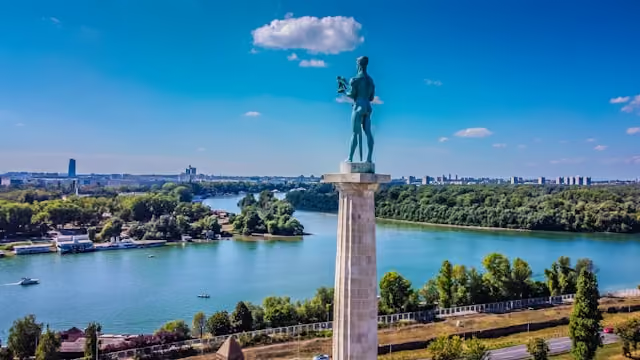
In Belgrade, the capital and most visited city, tap water is supplied by JKP Beogradski Vodovod i Kanalizacija and comes primarily from the Sava and Danube rivers. The water is treated at municipal plants but Belgrade's distribution network includes aging Soviet-era and post-war infrastructure that has not been fully replaced. Many Belgrade residents use water filters or purchase bottled water as a precaution, and this is the approach most visitors take as well. The taste of Belgrade tap water is often described as heavily chlorinated, which while not harmful can be off-putting.
In Novi Sad, Niš, Kragujevač, and other Serbian cities, water treatment exists but infrastructure quality and reliability varies. In smaller towns and rural areas, water quality is more variable and bottled water is a safer choice. In parts of rural Serbia, particularly in the south and east, waterborne illness from contaminated well water is a documented public health concern.
Serbia has become an increasingly popular destination for budget travelers, digital nomads, and visitors to the vibrant Belgrade nightlife and food scene. For most visitors staying in hotels and apartments in Belgrade and Novi Sad, the practical approach is to use bottled water for drinking while using tap water for showering and brushing teeth.
Bottled Water information in Serbia

Bottled water is widely available throughout Serbia at supermarkets, convenience stores, kiosks, and restaurants. Prices are affordable at RSD 60–150 (approximately €0.50–€1.30) per 1.5-litre bottle. Popular Serbian brands include Rosa, Knjaz Miloš, and Gorska. Serbia actually has excellent natural spring water resources and its local mineral water brands are of good quality. Bottled water is the recommended choice for drinking throughout most of Serbia.
Is ice safe in Serbia?
Ice in upscale hotels and established restaurants in Belgrade and other major cities is generally made from filtered water and is reasonably safe. In local konobas, bars, and smaller establishments, ice may be made from tap water. In Belgrade's well-developed bar and restaurant scene catering to international visitors, ice safety is generally not a significant concern. In smaller towns and rural areas, opt for chilled bottled drinks rather than ice.
Can you use a water filter in Serbia?
Water filters are used by many Serbian households and are a practical option for longer stays. Under-sink and pitcher filters are widely available in hardware and home stores throughout the country. For short-term visitors, bottled water is more practical. For those staying in Serbia for weeks or months, a countertop filter is a cost-effective and environmentally preferable alternative to purchasing bottled water daily.
Should you boil tap water in Serbia?
Boiling is recommended if tap water is your only option in Serbia. A rolling boil for one minute kills biological pathogens. In practice, bottled water is cheap and widely available throughout Serbia making boiling largely unnecessary for most visitors. In rural areas where the water source is uncertain, boiling or using purification tablets is advisable.
Questions!
Can you drink tap water in Belgrade?
It is technically treated but most visitors and locals use bottled or filtered water. Belgrade's tap water comes from the Sava and Danube rivers and is treated, but aging distribution infrastructure and heavy chlorination mean bottled water is the practical recommendation for visitors.
Why does Belgrade tap water taste so chlorinated?
Belgrade's municipal water is treated with chlorine as part of the disinfection process, and the aging distribution network means higher chlorine doses are used to ensure safety through the system. The taste is unpleasant to many people but the water is not harmful. A pitcher filter significantly improves the taste for those on longer stays.
Is water safe in Novi Sad?
Novi Sad has a water treatment system but aging infrastructure means bottled water is the recommended choice for visitors. The situation is similar to Belgrade — treated but not ideal for direct consumption without filtration.
Is Serbia's bottled water good?
Yes. Serbia has excellent natural spring water and local brands including Knjaz Miloš and Gorska are of high quality. Serbia is actually one of Europe's most water-rich countries by groundwater volume, even if urban tap water infrastructure has not kept pace with the natural resource quality.
Is water safe in rural Serbia?
Rural water quality in Serbia is variable. In areas relying on wells and small local systems, contamination is a documented risk. Use bottled water throughout your visit to Serbia, including in rural and small-town destinations.
We don't conduct independent water testing. We summarises and interpret publicly available official data. Conditions can change rapidly — always verify with local authorities before travelling.
Explore all popular destinations inSerbia
Explore more countries in Europe
Complete tap water safety guides for European countries, covering Western Europe, Eastern Europe, Southern Europe, and Northern Europe.











.svg)
