

Can You Drink Tap Water in Switzerland?
Tap water in Switzerland is safe to drink throughout the country and is considered some of the highest quality in the world.
Complete Drinking Water Safety Information for Switzerland
Tap water in Switzerland is completely safe to drink throughout the entire country and is universally recognized as some of the purest, highest-quality tap water in the world. In Zurich, Geneva, Basel, Bern, Lucerne, Lausanne, and all Swiss cities, tap water exceeds strict Swiss and EU standards. Swiss tap water comes primarily from pristine Alpine sources, underground springs, and glacier-fed lakes requiring minimal treatment. The Swiss drink tap water exclusively and visitors can do the same with complete confidence.
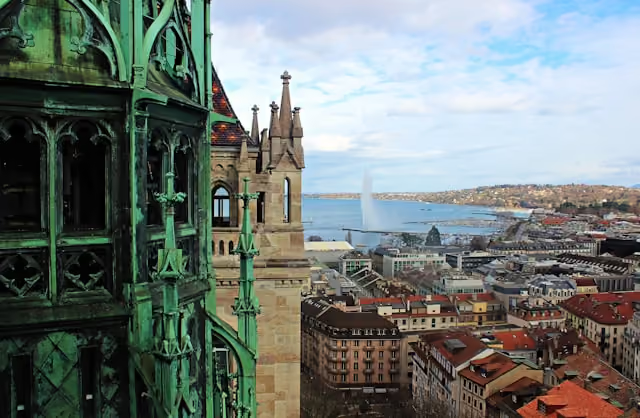
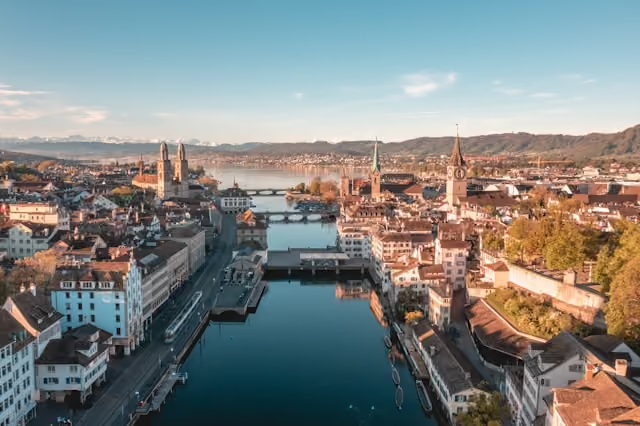
Zurich's tap water comes from Lake Zurich and is so pure it requires almost no chemical treatment. Geneva's water is sourced from Lake Geneva (Lac Léman) with exceptional natural purity. Basel and the Rhine region have excellent tap water from carefully protected sources. Throughout the Swiss Alps including ski resorts like Zermatt, St.
Moritz, Verbier, and mountain villages, tap water is drawn directly from mountain springs and is exceptionally pure. Public drinking fountains throughout Swiss cities and villages provide free potable water that is completely safe and refreshing. Bern, Interlaken, and central Switzerland have pristine tap water from lake and mountain sources. Ticino (Italian-speaking region) and all regions of Switzerland maintain the same world-class water standards. Switzerland's water infrastructure is state-of-the-art and meticulously maintained.
Throughout Switzerland, tap water can be used for all purposes without any concerns whatsoever. Swiss restaurants serve tap water free upon request. Despite having the world's best tap water, Switzerland is also a major producer of bottled water brands, but these are exported primarily - locals drink tap water. Visitors should absolutely drink Swiss tap water and fill reusable bottles from any tap or public fountain.
Bottled Water information in Switzerland

Bottled water is available at all supermarkets (Migros, Coop, Denner) and kiosks. Prices range from CHF 0.50-2.00 per liter. However, Swiss tap water is the best in the world - bottled water is unnecessary and wasteful when traveling in Switzerland.
Is ice safe in Switzerland?
Ice is completely safe throughout Switzerland. All ice anywhere in the country is made from world-class tap water. There are absolutely zero concerns about ice consumption in Switzerland.
Can you use a water filter in Switzerland?
Water filters are completely unnecessary in Switzerland as tap water already exceeds all possible standards. Swiss tap water is purer than most bottled water. Filtration serves no purpose.
Should you boil tap water in Switzerland?
Boiling is completely unnecessary in Switzerland. Swiss tap water is among the world's purest and is safe to drink directly from any tap or public fountain. Boiling is not practiced and not needed.
Popular destinations inSwitzerland
Questions!
Can you drink tap water in Zurich?
Yes. Zurich's tap water is exceptional, sourced from Lake Zurich and alpine groundwater. It is frequently cited as among the best tap water in the world and locals drink it freely from public fountains throughout the city.
Is tap water safe across Switzerland?
Yes. Switzerland has world-class tap water quality throughout the entire country. Geneva, Bern, Basel, and the smallest mountain villages all have excellent, safe drinking water.
We don't conduct independent water testing. We summarises and interpret publicly available official data. Conditions can change rapidly — always verify with local authorities before travelling.
Explore all popular destinations inSwitzerland
Explore more countries in Europe
Complete tap water safety guides for European countries, covering Western Europe, Eastern Europe, Southern Europe, and Northern Europe.


📚 Official Resources & Further Reading
World Health Organization – Switzerland Water Standards
Swiss Federal Office of Public Health
European Environment Agency
CDC – Switzerland Travel Information
Swiss Water Utilities

.svg)
