

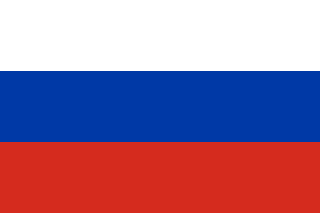
Can You Drink Tap Water in Russia?
Tap water in Russia is treated but not recommended for direct consumption. Bottled or filtered water is the standard choice for visitors and most locals.
Complete Drinking Water Safety Information for Russia
Tap water in Russia is treated at municipal facilities but is not recommended for direct consumption, particularly for visitors unfamiliar with local microbial conditions. Russia's water infrastructure varies enormously across the world's largest country — from relatively modern systems in Moscow and St Petersburg to severely limited supply in remote Siberian towns and rural areas. Even in major cities, aging Soviet-era distribution pipes, intermittent pressure fluctuations, and high chlorine dosing mean that tap water is not considered suitable for drinking without treatment by most residents and all visitors.
In Moscow, tap water is sourced from the Moskva River and a network of reservoirs north and west of the city and treated at large municipal plants. The treatment meets Russian national standards but the distribution network includes aging infrastructure and chlorine levels can be noticeably high. Most Muscovites use household filters, water cooler dispensers, or bottled water. International hotels and business accommodation in Moscow provide filtered or bottled water as standard. In St Petersburg, the water historically came from the Neva River and was associated with a high risk of Giardia from the late Soviet period onward. Significant investment in UV treatment since the 2000s has reduced this risk substantially, but bottled water remains the universal recommendation for visitors.
In other major Russian cities including Novosibirsk, Yekaterinburg, Kazan, Nizhny Novgorod, and Vladivostok, water treatment exists but infrastructure quality varies. In smaller towns across Russia's vast interior, water quality can be significantly more variable. In Siberia, the Russian Far East, and rural regions, some communities rely on aging local systems or well water of uncertain quality.
Travel advisories from Western governments recommend against drinking tap water in Russia. Given Russia's current geopolitical situation and associated travel advisories from many Western countries, visitor numbers are significantly reduced from historical levels, but for those who do travel, bottled water is the universal practical recommendation.
Bottled Water information in Russia

Bottled water is widely available throughout Russia in supermarkets, kiosks, petrol stations, and hotels. Prices are affordable at RUB 50–150 (approximately USD $0.55–$1.65) per 1.5-litre bottle depending on brand and location. Popular brands include Aqua Minerale, BonAqua, and regional mineral waters. Water cooler dispensers are ubiquitous in offices, hotels, and public buildings throughout Russia. In remote Siberian and Far Eastern regions, bottled water availability decreases — carry a filter as backup for travel to very remote areas.
Is ice safe in Russia?
Ice in upscale international hotels in Moscow and St Petersburg is generally made from filtered water and is reasonably safe. In local restaurants, bars, and establishments outside major tourist hotels, ice may be made from tap water and should be treated with caution. The safest approach throughout Russia is to opt for chilled bottled drinks rather than ice at local establishments.
Can you use a water filter in Russia?
Water filters are widely used by Russian households and are a practical solution for extended stays. Pitcher filters and under-sink units are readily available in hardware stores and supermarkets throughout Russia. A filter that addresses chlorine, sediment, and biological contaminants is appropriate. For visitors, bottled water is more practical for shorter stays. For longer-term residents, a quality household filter is a cost-effective alternative to purchasing bottled water daily.
Should you boil tap water in Russia?
Boiling is recommended if tap water is your only option. A rolling boil for at least one minute kills bacteria, viruses, and Giardia cysts present in Russian tap water. Historically, Giardia was a particular concern in St Petersburg water — UV treatment has reduced but not eliminated this risk. Bottled water is widely available and is the practical choice for most visitors.
Popular destinations inRussia
Questions!
Can you drink tap water in Moscow?
No. Moscow tap water is treated but not recommended for direct consumption by visitors. Aging distribution infrastructure, high chlorine levels, and varying quality across the city make bottled or filtered water the standard choice. All hotels provide bottled or filtered water.
Is St Petersburg tap water safe after UV treatment upgrades?
UV treatment has significantly reduced the historical Giardia risk in St Petersburg's water supply since the 2000s. However, bottled water remains the universal recommendation for visitors. The combination of aging pipes, high chlorine, and residual risk means direct tap consumption is still not advised.
Is Russian bottled water safe and good quality?
Yes. Russia has numerous high-quality bottled and mineral water brands. Regional mineral waters from the Caucasus and Siberia are particularly well regarded. Aqua Minerale and BonAqua are widely available mass-market options. Always check bottle seals before purchasing from smaller vendors.
Is tap water safe in Siberia and remote Russian regions?
Water quality in remote Siberian towns, rural areas, and the Russian Far East varies significantly and can be poor. Carry a quality portable filter for any travel to remote areas where bottled water may not be reliably available.
Is it safe to travel to Russia currently?
Many Western governments have issued travel advisories against travel to Russia due to the ongoing conflict in Ukraine and associated risks. Check your government's current travel advisory before making any plans to visit Russia.
We don't conduct independent water testing. We summarises and interpret publicly available official data. Conditions can change rapidly — always verify with local authorities before travelling.
Explore all popular destinations inRussia
Explore more countries in Europe
Complete tap water safety guides for European countries, covering Western Europe, Eastern Europe, Southern Europe, and Northern Europe.











📚 Official Resources & Further Reading

.svg)
