


Can You Drink Tap Water in Georgia?
Tap water in Georgia is treated and considered safe in Tbilisi and some other cities, but most visitors use bottled water as a precaution.
Complete Drinking Water Safety Information for Georgia
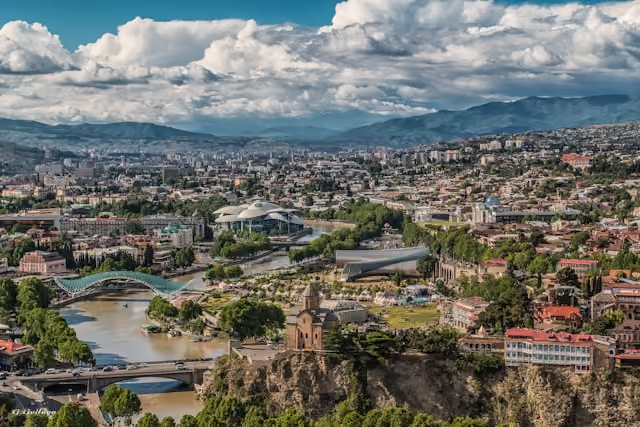
Tap water in Georgia presents a mixed picture that varies significantly by location. In Tbilisi, the capital and the country's most visited city, tap water has been subject to significant infrastructure investment and improvement. The Tbilisi Water utility supplies treated water that meets Georgian national standards, sourced primarily from the Aragvi and Iori rivers and mountain springs. Many Tbilisi residents and an increasing number of long-term expats drink tap water directly, particularly in newer apartment buildings. However, aging internal building pipes in older Soviet-era apartment blocks — which make up a significant portion of the city's housing stock — can affect water quality at the point of use, and most visitors opt for bottled water as a precaution.
Georgia has become one of the Caucasus' most popular and fastest-growing tourist destinations in recent years, with Tbilisi's vibrant food scene, wine culture, and affordability driving huge growth in visitors. For most short-term visitors staying in hotels and modern guesthouses, tap water quality is generally acceptable, though bottled water remains the recommended choice. Many hotels in Tbilisi and tourist areas in Kazbegi, Mestia (Svaneti), and Kutaisi provide bottled water as standard.
Outside Tbilisi, water infrastructure is considerably more variable. In Batumi on the Black Sea coast — Georgia's second most visited destination — water is treated but aging pipes mean bottled water is the safer choice. In the mountain regions including Kazbegi, Svaneti, and Racha, water is often sourced from mountain springs and may be distributed without full treatment. These mountain spring sources are often of high natural quality, but are not consistently tested or treated, and visitors should treat or use bottled water in these areas.
Bottled Water information in Georgia

Bottled water is widely available throughout Georgia in supermarkets, convenience stores, and hotels. Georgia has a strong mineral water culture — Borjomi, sourced from the volcanic springs of the Lesser Caucasus, is one of the most famous mineral waters in the post-Soviet world and is exported internationally. Nabeglavi is another popular Georgian brand. Prices are affordable at GEL 1–3 (approximately USD $0.35–$1.10) per 1.5-litre bottle. In mountain villages and remote trekking areas, bottled water availability is limited — carry a filter for extended backcountry travel.
Is ice safe in Georgia?
Ice in Tbilisi's upscale restaurants, hotels, and tourist-oriented venues is generally made from filtered or commercial water and is reasonably safe. In local Georgian restaurants and smaller establishments, ice may be made from tap water. In mountain regions and rural guesthouses, ice is rarely available. Opting for chilled bottled drinks is the safer choice in any establishment where the ice source is uncertain.
Can you use a water filter in Georgia?
Water filters are a practical choice for extended stays in Georgia and essential for trekking in the mountain regions. For Svaneti, Kazbegi, and other highland areas, a hollow fibre filter combined with a UV purifier provides comprehensive protection from natural water sources. For Tbilisi-based visitors, a pitcher filter addresses any taste or pipe-quality concerns from older building infrastructure.
Should you boil tap water in Georgia?
Boiling is recommended in Georgia outside of Tbilisi, particularly in mountain villages, rural guesthouses, and areas relying on untreated spring water. In Tbilisi, boiling provides additional peace of mind for those with sensitive stomachs but is not strictly necessary in newer buildings with modern plumbing. Bottled water is the more practical and widely available alternative for most visitors.
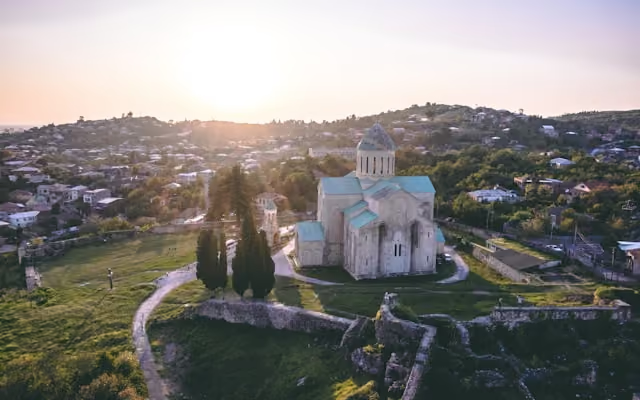
Popular destinations inGeorgia
Questions!
Can you drink tap water in Tbilisi?
Tbilisi's tap water is treated and considered safe by Georgian standards, with improving infrastructure in recent years. However, aging building pipes in older Soviet-era blocks can affect quality. Most visitors and expats use bottled or filtered water as a precaution. In newer hotels and modern apartments, tap water is generally acceptable.
Is Borjomi water worth trying?
Yes. Borjomi is one of Georgia's most famous exports and has been bottled from its volcanic mineral springs since the 19th century. It has a strong, distinctive mineral taste due to its naturally high mineral content and is an essential part of Georgian food culture. It is widely available throughout the country and internationally.
Is water safe in Batumi?
Batumi's tap water is treated but aging distribution infrastructure means bottled water is the recommended choice for visitors. Bottled water is widely available throughout Batumi's resort areas and hotels.
Is tap water safe for trekking in Svaneti and Kazbegi?
Mountain spring water in Svaneti and Kazbegi is often of high natural quality but is not consistently treated or tested. Use a quality filter or purification tablets for any water from springs, rivers, or village sources in the Georgian mountains. Your guesthouse will typically provide boiled or bottled water for drinking.
Is Georgia safe to visit as a tourist?
Yes. Georgia is considered a safe tourist destination and has experienced a significant tourism boom in recent years. Standard food and water hygiene precautions apply — use bottled or filtered water, be cautious with tap water in older buildings, and carry a filter for mountain trekking.
We don't conduct independent water testing. We summarises and interpret publicly available official data. Conditions can change rapidly — always verify with local authorities before travelling.
Explore all popular destinations inGeorgia
Explore more countries in Europe
Complete tap water safety guides for European countries, covering Western Europe, Eastern Europe, Southern Europe, and Northern Europe.





















.svg)
