

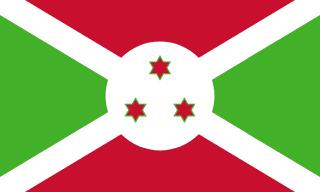
Can You Drink Tap Water in Burundi?
Tap water in Burundi is not safe to drink. Infrastructure is severely underdeveloped across the country. Bottled water is essential throughout.
Complete Drinking Water Safety Information for Burundi
Tap water in Burundi is not safe to drink for visitors. One of the world's poorest countries, Burundi has severely underdeveloped water infrastructure with very limited treatment capacity. Even in Bujumbura, the capital on Lake Tanganyika, tap water is not reliably safe. Most expatriates and visitors use bottled water exclusively throughout their stay.
Bujumbura, the economic capital and main entry point for visitors, sits on the northern shore of Lake Tanganyika — one of the world's deepest lakes and an extraordinary freshwater ecosystem. The city has a partial water treatment system but supply is intermittent and quality unreliable. Hotels and guesthouses provide safe bottled or filtered water for guests. Bottled water is available in supermarkets and shops in the capital.
Lake Tanganyika itself is not safe to drink from despite its vast volume and apparent clarity. The lake carries bilharzia (schistosomiasis) and other parasites, making even prolonged water contact a health risk. Any water sourced from the lake must be boiled, filtered, and chemically treated before consumption.
Burundi's gorilla trekking programme in Kibira National Park is a growing attraction, complementing Rwanda's more established offering across the border. Kibira lodges and trekking operators manage water safely for guests. In the Ruvubu National Park in the east — home to hippos and numerous bird species — lodge operations similarly manage water for guests.
Burundi has a significant cholera burden and periodic outbreaks occur throughout the country. Use sealed bottled water exclusively throughout Burundi. Carry a portable filter for any travel outside Bujumbura and established lodges. Do not drink from Lake Tanganyika or any natural water source without comprehensive treatment.
Bottled Water in Burundi

Bottled water is available in Bujumbura but less widely available than in neighbouring Rwanda or Tanzania. Availability decreases significantly outside the capital. Budget roughly 1,500–3,000 BIF (USD $0.50–$1.00) per litre. Stock up in Bujumbura before travelling to national parks or rural areas.
Is ice safe in Burundi?
Ice should be avoided in Burundi unless you are certain it was made from purified or bottled water. In established hotels in Bujumbura, ice is generally safe. In local restaurants, bars, and any setting outside established tourist properties throughout the country, always request drinks without ice.
Can you use a water filter in Burundi?
A portable filter rated for bacteria and protozoa is strongly recommended for travel outside Bujumbura in Burundi. Do not drink from Lake Tanganyika without comprehensive treatment including filtration and chemical purification. Combine with purification tablets for full protection in national parks and rural areas.
Should you boil tap water in Burundi?
Yes, boiling is essential if bottled water is unavailable. Bring water to a rolling boil for at least one minute. Bottled water is available in Bujumbura. In rural areas and national parks, carry purification tablets and a quality filter as essential backup.
Popular destinations inBurundi
Questions!
Is tap water safe to drink in Burundi?
No. Tap water in Burundi is not safe to drink for visitors. Infrastructure is severely underdeveloped and supply unreliable even in Bujumbura. Bottled water is essential throughout the country.
Can I drink tap water in Bujumbura?
No. Bujumbura's supply is treated but intermittent and not reliably safe for visitors. Most expatriates and visitors use bottled water exclusively. Hotels provide safe water for guests as standard.
Can I drink water from Lake Tanganyika?
No. Despite its size and apparent clarity, Lake Tanganyika carries bilharzia and other parasites. Water from the lake must be boiled, filtered, and chemically treated before consumption. Prolonged water contact also carries bilharzia risk.
Is water safe for gorilla trekking in Kibira National Park?
Trekking operators and lodges in Kibira manage water safely for guests. Do not drink from streams or rivers in the forest. Carry adequate bottled water for the trek as your operator advises.
What is the safest approach to water in Burundi?
Use sealed bottled water throughout the country. Carry a portable filter for travel outside Bujumbura and established lodges. Avoid ice outside established hotels. Do not drink from Lake Tanganyika or any natural water source without comprehensive treatment.
We don't conduct independent water testing. We summarises and interpret publicly available official data. Conditions can change rapidly — always verify with local authorities before travelling.
Explore all popular destinations inBurundi
Explore more countries in Africa
Complete tap water safety information for African countries across North Africa, East Africa, West Africa, Southern Africa, and Central Africa.






📚 Official Resources & Further Reading
World Health Organization – Burundi
CDC – Burundi Travel Health Advisory
U.S. Department of State – Burundi Travel Advisory

.svg)
