

Can You Drink Tap Water in Morocco?
Tap water in Morocco is not safe to drink for tourists. Infrastructure varies but contamination is common throughout the country.
Complete Drinking Water Safety Information for Morocco
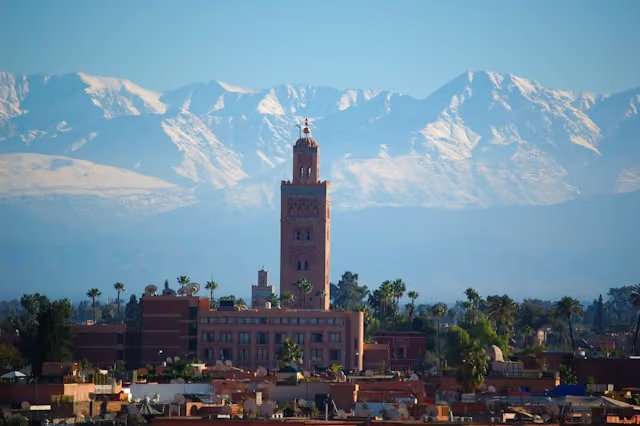
Tap water in Morocco is unsafe for drinking and should be avoided by tourists throughout the country including Marrakech, Casablanca, Fez, Rabat, and coastal areas. While water treatment exists in major cities, distribution infrastructure is compromised and contamination is frequent. Most Moroccans do not drink tap water directly and use bottled water or boil water before consumption. In Marrakech, despite being a major tourist destination, tap water is unsafe.
The medina and tourist riads provide bottled water but tap water should not be consumed. Infrastructure challenges and aging pipes in the old city increase contamination risk. In Casablanca and Rabat, Morocco's largest cities, tap water is treated but frequently contaminated during distribution. Many residents use bottled water or filtration systems. Hotels provide bottled water which should be used for drinking and brushing teeth.
In Fez, Meknes, and other imperial cities, tap water infrastructure is poor particularly in medinas and old quarters. Water quality is unreliable and visitors should use bottled water exclusively. Coastal areas including Essaouira, Agadir, and Tangier have treated water but contamination remains common. Tourist accommodations provide bottled water. In the Atlas Mountains, Sahara Desert regions, and rural Morocco, water treatment is minimal or nonexistent.
Desert camps and mountain villages rely on wells or trucked water of uncertain quality. Morocco experiences waterborne disease outbreaks including typhoid, hepatitis A, and severe traveler's diarrhea. The combination of hot climate, aging infrastructure, and variable treatment creates health risks. Use bottled water for all drinking, brushing teeth, and washing produce. Most restaurants serving tourists use bottled or filtered water for drinks and cooking, but verify.
Ice should be avoided in local establishments.
Bottled Water information in Morocco

Bottled water is affordable (5-10 MAD or USD $0.50-$1.00 per liter) and available everywhere including Marjane and Carrefour supermarkets, hanuts (small shops), gas stations, and tourist areas. Popular brands include Sidi Ali and Ain Saiss. Essential for your entire Morocco trip.
Is ice safe in Morocco?
Ice should be avoided in Morocco unless you can verify it was made from bottled or filtered water. Ice in upscale tourist hotels in Marrakech or Casablanca may be safe, but ice in local cafés, riads, and restaurants is typically made from tap water and unsafe.
Can you use a water filter in Morocco?
High-quality portable water filters can provide backup safety in Morocco but bottled water should be your primary source. Filters must remove bacteria, viruses, and protozoa. Many expatriates use home filtration systems.
Should you boil tap water in Morocco?
Yes. If bottled water is unavailable, boiling tap water for at least one minute is essential. Many Moroccan households boil water. However, bottled water is widely available and more practical for travelers.
Questions!
Can you drink tap water in Marrakech?
No. Tap water in Marrakech is not recommended for visitors. While the city has a treatment system, the water has a high mineral content and local bacteria that commonly cause stomach upsets in travellers. Bottled water is the practical choice.
Is tap water safe in Fez or Casablanca?
No. The same advice applies across Morocco including Fez, Casablanca, Rabat, and Agadir. Even though tap water is treated, travellers consistently experience digestive issues from local bacteria and mineral content. Bottled water is widely available and inexpensive.
Can you brush your teeth with tap water in Morocco?
Most short-term visitors brush their teeth with tap water in cities without serious issues. If you have a sensitive stomach, using bottled water for teeth brushing during the first few days is a sensible precaution.
We don't conduct independent water testing. We summarises and interpret publicly available official data. Conditions can change rapidly — always verify with local authorities before travelling.
Explore all popular destinations inMorocco
Explore more countries in Africa
Complete tap water safety information for African countries across North Africa, East Africa, West Africa, Southern Africa, and Central Africa.






📚 Official Resources & Further Reading
World Health Organization – Morocco Water Quality
CDC – Morocco Travel Health Advisory
Morocco Ministry of Health
U.S. Department of State – Morocco Travel Advisory
WHO Morocco Country Office

.svg)
