

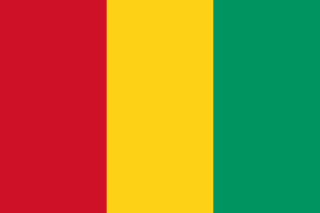
Can You Drink Tap Water in Guinea?
Tap water in Guinea is not safe to drink. Infrastructure is severely underdeveloped even in Conakry. Bottled water is essential throughout the country.
Complete Drinking Water Safety Information for Guinea
Tap water in Guinea is not safe to drink for visitors. Guinea has some of the least developed water infrastructure in West Africa despite being called the ‘water tower of West Africa’ due to its abundance of rivers and rainfall. The country's rivers supply water to much of the region, but domestic water treatment systems are severely inadequate. Even in Conakry, tap water is not reliably safe for visitors.
Conakry, the capital built on a narrow peninsula jutting into the Atlantic, is one of West Africa's most densely populated cities. The city's water treatment infrastructure is chronically underfunded and unable to meet demand. Supply is intermittent and quality unreliable. Hotels serving the diplomatic and business community provide bottled or filtered water for guests. Bottled water is available in supermarkets and shops in the capital.
The Fouta Djallon highlands in central Guinea are the country's main ecotourism destination — a dramatic landscape of waterfalls, valleys, and agricultural villages that feeds the Niger, Senegal, and Gambia rivers. Despite the abundance of water in this region, natural water sources carry Giardia and bacteria and must be treated before drinking. Carry a quality filter for any hiking or village stays in the Fouta Djallon.
Mount Nimba in the southeast, shared with Côte d'Ivoire and Liberia, is a UNESCO World Heritage Site of extraordinary biodiversity. Travel to this remote area requires complete water self-sufficiency. The Bossou chimpanzee research site nearby has minimal visitor infrastructure.
Use sealed bottled water throughout Guinea for drinking and brushing teeth. Carry a portable filter for travel outside Conakry, particularly for highland trekking and rural stays. Guinea has experienced significant cholera outbreaks historically and also the world's largest Ebola outbreak in 2013–2016, though the health system has since been substantially rebuilt.
Bottled Water in Guinea

Bottled water is available in Conakry and increasingly in major towns like Kindia, Labbé, and Kankan. Availability decreases significantly in rural areas and the interior. Budget roughly 5,000–10,000 GNF (USD $0.50–$1.10) per litre. Always check bottle seals are intact before purchasing.
Is ice safe in Guinea?
Ice should be avoided in Guinea unless you are certain it was made from purified or bottled water. In established hotels in Conakry serving the diplomatic community, ice is generally safe. In local restaurants, bars, and street food settings throughout the country, always request drinks without ice.
Can you use a water filter in Guinea?
A portable filter is strongly recommended for travel outside Conakry in Guinea, particularly for highland trekking in the Fouta Djallon where natural water sources carry pathogens. Choose a filter rated for bacteria and protozoa and combine with purification tablets for full protection in rural areas and national parks.
Should you boil tap water in Guinea?
Yes, boiling is essential if bottled water is unavailable. Bring water to a rolling boil for at least one minute. Bottled water is available in Conakry. In the Fouta Djallon highlands, national parks, and rural areas, carry purification tablets and a quality filter as essential backup.
Popular destinations inGuinea
Questions!
Is tap water safe to drink in Guinea?
No. Tap water in Guinea is not safe to drink for visitors. Despite the country's abundance of rivers, domestic water treatment systems are severely inadequate. Bottled water is essential throughout the country.
Can I drink tap water in Conakry?
No. Conakry's supply is treated but chronically underfunded and unable to meet demand. Most expatriates and visitors use bottled water. Hotels serving the diplomatic community provide safe water for guests.
Is water safe for hiking in the Fouta Djallon highlands?
Natural water sources in the Fouta Djallon carry Giardia and bacteria despite the region's abundant rainfall. Carry a quality filter for any hiking or village stays. Never drink from streams or springs without thorough treatment.
What about water at Mount Nimba?
The Mount Nimba area is extremely remote with no visitor water infrastructure. Complete water self-sufficiency is required for any visit. Carry everything from the last major town before departure.
What is the safest approach to water in Guinea?
Use sealed bottled water throughout the country. Carry a portable filter for travel outside Conakry. Avoid ice in local restaurants. Guinea has experienced cholera outbreaks historically — treat all water with extra caution.
We don't conduct independent water testing. We summarises and interpret publicly available official data. Conditions can change rapidly — always verify with local authorities before travelling.
Explore all popular destinations inGuinea
Explore more countries in Africa
Complete tap water safety information for African countries across North Africa, East Africa, West Africa, Southern Africa, and Central Africa.






📚 Official Resources & Further Reading
World Health Organization – Guinea
CDC – Guinea Travel Health Advisory
U.S. Department of State – Guinea Travel Advisory

.svg)
