


Can You Drink Tap Water in Egypt?
Tap water in Egypt is not safe to drink. Infrastructure is poor and contamination is widespread throughout the country.
Complete Drinking Water Safety Information for Egypt
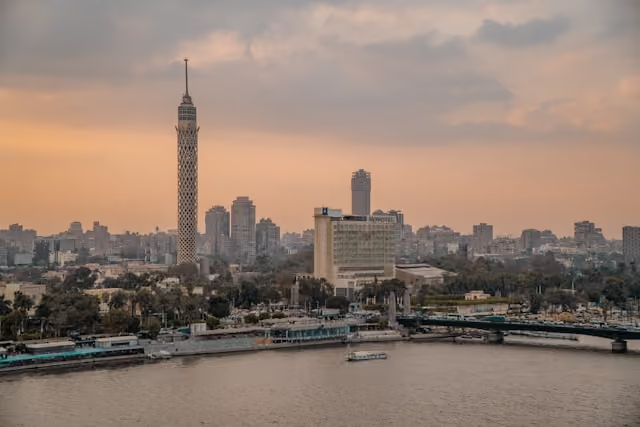
Tap water in Egypt is unsafe for drinking and should be completely avoided by tourists throughout the country including Cairo, Alexandria, Luxor, Aswan, and Red Sea resort areas. Egypt's water infrastructure is inadequate with poor treatment facilities and heavily contaminated distribution systems. Most Egyptians do not drink tap water and rely exclusively on bottled water or boiled water. In Cairo, despite being the capital, tap water is unsafe with frequent contamination from aging pipes, sewage infiltration, and inadequate treatment.
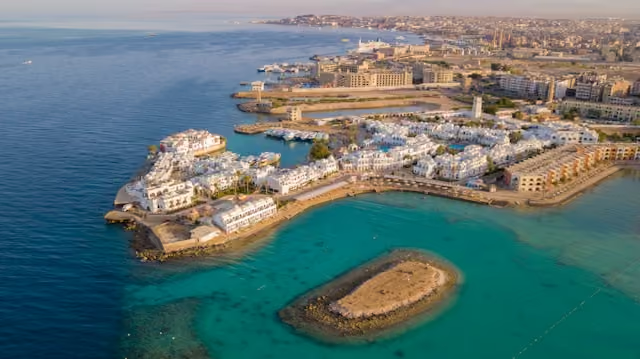
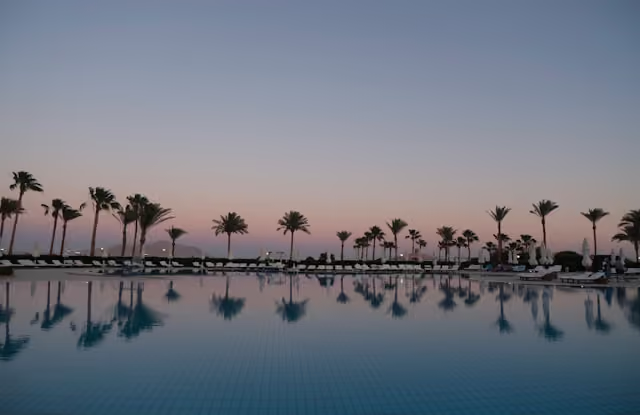
The Nile River is heavily polluted and while water is drawn from it, treatment is insufficient. Hotels in tourist areas like Zamalek and downtown Cairo provide bottled water but bathroom tap water remains dangerous. In Alexandria and Mediterranean coastal cities, tap water infrastructure is poor and water is consistently unsafe despite the city's size. Red Sea resort areas including Hurghada, Sharm el-Sheikh, and Dahab have limited water infrastructure and rely on desalination or trucked water. Even in luxury resorts, tap water should not be consumed for drinking or brushing teeth.
Hotels provide bottled water which is essential. In Luxor, Aswan, and Nile Valley tourist areas, water treatment is minimal and tap water is extremely unsafe. The combination of Nile pollution, high temperatures, and poor infrastructure creates severe contamination. Nile cruise ships provide bottled or treated water but verify before consuming any tap water. Throughout Egypt including oases, Sinai Peninsula, and all regions, tap water is unsafe.
Rural areas have virtually no water treatment. Egypt experiences frequent waterborne disease outbreaks including cholera, typhoid, hepatitis A and E, schistosomiasis (from Nile), and severe traveler's diarrhea. Use bottled water exclusively for drinking, brushing teeth, washing produce, and even for rinsing your mouth. Ice should be completely avoided unless confirmed to be made from bottled water.
Bottled Water information in Egypt

Bottled water is extremely cheap (5-15 EGP or USD $0.15-$0.50 per liter) and available everywhere including supermarkets, kiosks, tourist sites, hotels, and street vendors. Popular brands include Baraka, Hayat, and Nestle. Essential for your entire Egypt trip - buy large quantities.
Is ice safe in Egypt?
Ice should be completely avoided throughout Egypt unless you are absolutely certain it was made from bottled or purified water. Even in tourist hotels in Cairo or Red Sea resorts, ice is frequently made from tap water. Request all drinks without ice everywhere in Egypt.
Can you use a water filter in Egypt?
A high-quality portable water filter designed for developing countries can provide emergency backup in Egypt. Filters must remove bacteria, viruses, protozoa, and preferably some chemical contaminants. However, bottled water should always be your primary source.
Should you boil tap water in Egypt?
Yes, absolutely essential. If bottled water is unavailable (rare), boil tap water for at least three minutes due to severe contamination levels. However, bottled water is cheap and widely available, making it the far better choice.
Questions!
Can you drink tap water in Cairo?
No. Tap water in Cairo is not recommended for visitors. The city has a treatment system but aging pipes, rooftop storage tanks, and the sheer scale of the distribution network mean contamination is common before water reaches the tap. Bottled water is the universal norm.
Is tap water safe in Luxor and Aswan?
No. The same advice applies throughout Egypt including tourist areas like Luxor, Aswan, and the Nile Valley. Bottled water is essential everywhere in the country.
Can you drink tap water at Red Sea resorts like Hurghada or Sharm el-Sheikh?
No. Red Sea resort areas rely on desalination but water quality at the tap varies. All hotels and resorts provide bottled water and that is what visitors should use throughout their stay.
We don't conduct independent water testing. We summarises and interpret publicly available official data. Conditions can change rapidly — always verify with local authorities before travelling.
Explore all popular destinations inEgypt
Explore more countries in Africa
Complete tap water safety information for African countries across North Africa, East Africa, West Africa, Southern Africa, and Central Africa.





📚 Official Resources & Further Reading
World Health Organization – Egypt Water Safety
CDC – Egypt Travel Health Advisory
Egypt Ministry of Health and Population
U.S. Department of State – Egypt Travel Advisory
WHO Egypt Country Profile

.svg)
