

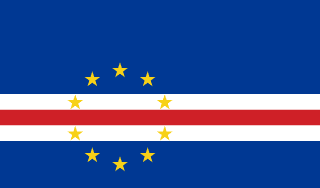
Can You Drink Tap Water in Cape Verde?
Tap water in Cape Verde is not safe to drink. The islands rely on desalination and water quality varies. Bottled water is recommended throughout.
Complete Drinking Water Safety Information for Cape Verde
Tap water in Cape Verde is not safe to drink for visitors. The archipelago is a dry, volcanic island chain with no natural freshwater rivers and relies almost entirely on desalination plants for its water supply. While the desalination infrastructure has improved significantly, distribution pipes on many islands are aging and water quality at the tap is inconsistent. Most residents and all hotels use bottled water as standard.
Sal and Boavista, the two most popular beach resort islands, have large all-inclusive resort complexes that provide bottled or filtered water for all guests. Tap water in resort rooms is generally used for bathing only — drink the bottled water provided. In Santa Maria on Sal and Sal Rei on Boavista, restaurants and bars use bottled water for cooking and drinking.
Santiago, home to the capital Praia and the largest island, has the most developed water infrastructure in the archipelago. Praia's water is treated but distribution pipes in older parts of the city mean tap water quality varies by location. Bottled water is universally available in Praia and is the recommended choice throughout your stay.
São Vicente, home to the lively city of Mindelo and a growing cultural tourism scene, has a treated water supply but similar distribution challenges. The smaller islands — Santo Antão, Fogo, Brava, and São Nicolau — have less reliable water infrastructure and bottled water availability can be limited on the more remote islands.
Use bottled water throughout Cape Verde for drinking and brushing teeth. On resort islands, your accommodation provides safe water. On smaller or more remote islands, stock up on bottled water before leaving main towns as availability becomes increasingly limited.
Bottled Water in Cape Verde

Bottled water is widely available across Cape Verde's main tourist islands including Santiago, Sal, Boavista, and São Vicente. Local brands and imported water are available in supermarkets, hotels, and restaurants. Budget roughly 100–200 CVE (USD $1.00–$2.00) per litre. Resorts typically include water in their all-inclusive packages.
Is ice safe in Cape Verde?
Ice at established resorts and hotels on Sal and Boavista is generally safe as properties use filtered or bottled water for ice production. In local restaurants and bars in Praia, Mindelo, and smaller towns, ice is generally safe at established venues but exercise caution at very local settings. Request drinks without ice if uncertain.
Can you use a water filter in Cape Verde?
A portable filter is recommended for travel to Cape Verde's smaller and more remote islands — Brava, São Nicolau, and parts of Santo Antão — where bottled water availability can be limited. On the main tourist islands of Sal and Boavista, a filter is not necessary as resorts manage water safely for guests.
Should you boil tap water in Cape Verde?
Boiling is recommended if bottled water is unavailable. On islands with more reliable desalination infrastructure like Santiago, boiling treated tap water reduces risk. On smaller islands with limited supply, boiling alone is insufficient — use a filter in combination. Bottled water is the safest and most practical option throughout Cape Verde.
Popular destinations inCape Verde
Questions!
Is tap water safe to drink in Cape Verde?
No. Tap water in Cape Verde is not safe to drink for visitors. The islands rely on desalination and aging distribution pipes make quality inconsistent. Bottled water is recommended throughout the archipelago.
Can I drink tap water at my resort on Sal or Boavista?
No. Resort rooms provide bottled water for drinking — tap water in rooms is for bathing only. All-inclusive packages typically include bottled water. Do not drink from taps in your resort room.
Is water safe in Praia on Santiago island?
Tap water in Praia is treated but distribution quality varies. Most residents and visitors use bottled water. Bottled water is widely available throughout Santiago and is the recommended choice.
What about water on the smaller islands like Fogo or Brava?
Water infrastructure on smaller islands is less developed and bottled water availability can be limited. Stock up on bottled water in main towns before travelling to remote areas. Carry a portable filter as backup on the more isolated islands.
What is the safest approach to water in Cape Verde?
Use bottled water throughout the archipelago for drinking and brushing teeth. On resort islands, your accommodation provides safe water. On smaller islands, plan your water supply carefully before departing from main settlements.
We don't conduct independent water testing. We summarises and interpret publicly available official data. Conditions can change rapidly — always verify with local authorities before travelling.
Explore all popular destinations inCape Verde
Explore more countries in Africa
Complete tap water safety information for African countries across North Africa, East Africa, West Africa, Southern Africa, and Central Africa.





















📚 Official Resources & Further Reading
World Health Organization – Cape Verde
CDC – Cape Verde Travel Health Advisory
U.S. Department of State – Cape Verde Travel Advisory

.svg)
