

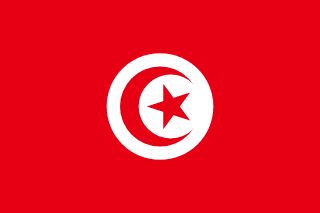
Can You Drink Tap Water in Tunisia?
Tap water in Tunisia is treated in major cities but quality varies and most tourists prefer bottled water to avoid stomach issues.
Complete Drinking Water Safety Information for Tunisia
Tap water safety in Tunisia varies by location and most visitors prefer bottled water to avoid gastrointestinal discomfort. In Tunis, the capital, tap water is treated by SONEDE (National Water Distribution Company) and technically meets safety standards. However, infrastructure varies by neighborhood and contamination can occur through aging pipes and rooftop storage tanks. Many Tunisian residents use filters or bottled water. In coastal resort areas including Hammamet, Sousse, Monastir, and Djerba, tap water is treated but tourists frequently experience stomach upset from unfamiliar bacteria even when water is technically safe.
Most hotels provide bottled water and recommend guests use it. In Sfax, Tunisia's second city, tap water is treated but quality varies. Infrastructure challenges mean contamination can occur particularly in older neighborhoods. In Kairouan, Tozeur, and interior cities, water treatment exists but is less reliable than coastal areas.
The hot climate and limited water resources create challenges. Throughout Tunisia, rural areas and small towns have less consistent water treatment. Desert regions and southern Tunisia have limited infrastructure with water often trucked in or from uncertain sources. Even in areas where tap water is technically treated to standards, visitors commonly experience diarrhea and stomach issues due to different bacteria and unfamiliar mineral content. The combination of hot climate, different bacterial flora, and variable infrastructure means tourists should use caution.
Ice in upscale tourist hotels is usually safe but ice elsewhere should be avoided. Use bottled water for drinking and brushing teeth throughout Tunisia to avoid discomfort during your trip.
Bottled Water information in Tunisia

Bottled water is very affordable (0.5-1.5 TND or USD $0.15-$0.50 per liter) and available everywhere including Carrefour and Monoprix supermarkets, épiceries (corner shops), gas stations, and tourist areas. Popular brands include Safia and Ain Garci. Strongly recommended for entire Tunisia trip.
Is ice safe in Tunisia?
Ice safety varies in Tunisia. Ice in international hotels and upscale resorts in Tunis, Hammamet, and tourist areas may be safe. Ice in local cafés, medinas, and small restaurants should be avoided unless you can confirm it's made from bottled or filtered water.
Can you use a water filter in Tunisia?
Many expatriates in Tunisia use water filters. For tourists, a portable filter can provide backup but bottled water is more convenient and reliable for short visits.
Should you boil tap water in Tunisia?
If you plan to drink tap water in Tunisia, boiling for one minute is recommended particularly outside major resort areas. However, bottled water is cheap and widely available, making it more practical for tourists.
Popular destinations inTunisia
Questions!
Can you drink tap water in Tunis?
No. Tap water in Tunis is technically treated but not recommended for visitors. The water has a high mineral content and local bacteria commonly cause stomach upsets in travellers. Bottled water is the standard choice for both locals and tourists.
Is tap water safe in coastal resorts like Hammamet or Sousse?
No. The same advice applies in tourist resort areas. All hotels provide bottled water and that is what visitors should use throughout Tunisia including in resort towns along the coast.
Can you brush your teeth with tap water in Tunisia?
Most short-term visitors brush their teeth with tap water without serious issues. If you have a sensitive stomach, using bottled water for teeth brushing especially in the first few days is a sensible precaution.
We don't conduct independent water testing. We summarises and interpret publicly available official data. Conditions can change rapidly — always verify with local authorities before travelling.
Explore all popular destinations inTunisia
Explore more countries in Africa
Complete tap water safety information for African countries across North Africa, East Africa, West Africa, Southern Africa, and Central Africa.






📚 Official Resources & Further Reading
World Health Organization – Tunisia Water Quality
CDC – Tunisia Travel Information
Tunisia Ministry of Health
U.S. Department of State – Tunisia Travel Advisory
SONEDE – Tunisia Water Authority

.svg)
