

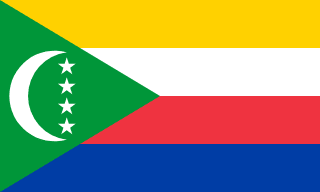
Can You Drink Tap Water in Comoros?
Tap water in Comoros is not safe to drink. The islands have limited freshwater resources and aging infrastructure. Bottled water is essential throughout.
Complete Drinking Water Safety Information for Comoros
Tap water in Comoros is not safe to drink for visitors. The Comoros archipelago — comprising Grande Comore, Anjouan, and Mohéli — has limited freshwater resources and severely underdeveloped water infrastructure. The islands rely on a combination of groundwater, rainwater collection, and limited treatment systems that cannot reliably produce safe drinking water for all residents, let alone visitors.
Moroni, the capital on Grande Comore, is the most visited city and main entry point to the archipelago. The city has a partial piped water supply but it is not reliably treated and quality varies significantly by area. Hotels and guesthouses in Moroni provide bottled water for guests. Bottled water is available in shops and markets in the capital.
Grande Comore's most dramatic feature is Mount Karthala, one of the world's largest active volcanoes and a popular hiking destination. The ascent to the caldera takes hikers through forest and lava fields. Water is not available on the mountain — carry everything from Moroni. Volcanic activity can also affect groundwater quality in some areas of the island.
Anjouan, the second most populated island, has more rainfall than Grande Comore but similarly limited treatment infrastructure. Mohéli, the smallest and least developed island, is increasingly visited for its marine national park and whale watching. Water infrastructure on Mohéli is minimal — bottled water availability is limited and a filter is essential for extended stays.
Use sealed bottled water throughout Comoros for drinking and brushing teeth. Carry a portable filter for any hiking, rural travel, or extended stays on the outer islands. The Comoros experiences periodic cholera outbreaks and waterborne disease is a significant public health concern throughout the archipelago.
Bottled Water in Comoros

Bottled water is available in Moroni on Grande Comore and in main towns on Anjouan and Mohéli. Availability decreases in rural villages and on hiking routes. Budget roughly 200–500 KMF (USD $0.40–$1.10) per litre. Stock up before venturing into rural areas or ascending Mount Karthala.
Is ice safe in Comoros?
Ice should be avoided in Comoros unless you are certain it was made from purified or bottled water. In established hotels in Moroni, ice is generally safe. In local restaurants, bars, and street food settings throughout the archipelago, always request drinks without ice.
Can you use a water filter in Comoros?
A portable filter rated for bacteria and protozoa is strongly recommended for travel in Comoros, particularly on Mohéli and for Mount Karthala hikes where bottled water is unavailable. Combine with purification tablets for full protection. This is essential gear for any travel beyond Moroni and main towns.
Should you boil tap water in Comoros?
Yes, boiling is essential if bottled water is unavailable. Bring water to a rolling boil for at least one minute. Bottled water is available in Moroni and tourist areas. In remote villages and hiking areas on the volcanic slopes, carry purification tablets and a filter as essential backup.
Popular destinations inComoros
Questions!
Is tap water safe to drink in Comoros?
No. Tap water in Comoros is not safe to drink for visitors. The islands have limited freshwater and aging infrastructure. Bottled water is essential throughout the archipelago.
Can I drink tap water in Moroni?
No. Moroni's supply is partially treated but quality varies significantly by area. Use sealed bottled water throughout your stay. Hotels and guesthouses provide bottled water for guests.
Is water safe for hiking Mount Karthala?
No water is available on the mountain. Carry everything you need from Moroni before beginning the ascent. A quality filter provides useful backup but cannot replace adequate bottled water reserves for the climb.
What about water on Mohéli island?
Mohéli has minimal water infrastructure and limited bottled water availability. A portable filter is essential for any extended stay. Confirm water arrangements with your accommodation before arrival on the island.
What is the safest approach to water in Comoros?
Use sealed bottled water throughout the archipelago. Carry a portable filter for hiking, rural travel, and stays on Mohéli. Avoid ice outside established hotels. Comoros has a history of cholera outbreaks — treat all water with extra caution.
We don't conduct independent water testing. We summarises and interpret publicly available official data. Conditions can change rapidly — always verify with local authorities before travelling.
Explore all popular destinations inComoros
Explore more countries in Africa
Complete tap water safety information for African countries across North Africa, East Africa, West Africa, Southern Africa, and Central Africa.






📚 Official Resources & Further Reading
World Health Organization – Comoros
CDC – Comoros Travel Health Advisory
U.S. Department of State – Comoros Travel Advisory

.svg)
