

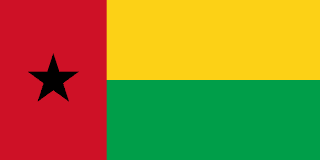
Can You Drink Tap Water in Guinea-Bissau?
Tap water in Guinea-Bissau is not safe to drink. Infrastructure is among the least developed in West Africa. Bottled water is essential throughout.
Complete Drinking Water Safety Information for Guinea-Bissau
Tap water in Guinea-Bissau is not safe to drink for visitors. One of the world's least developed countries, Guinea-Bissau has minimal water treatment infrastructure. The country has experienced repeated political instability including multiple coups, which has severely constrained infrastructure investment. Even in Bissau, the capital, tap water is not reliably safe for visitors.
Bissau, the capital, is a small and relatively low-key West African capital with a faded Portuguese colonial character. The city has a partial piped water supply but quality and distribution are unreliable. Hotels and guesthouses provide bottled water for guests. Bottled water is available in shops and supermarkets in the capital, though the range is more limited than in larger regional capitals.
Guinea-Bissau's extraordinary tourism asset is the Bijagós Archipelago — an archipelago of around 88 islands off the country's Atlantic coast, much of which is designated a UNESCO Biosphere Reserve. The islands are home to remarkable wildlife including saltwater hippos, green turtles, and an exceptional diversity of birds. Eco-lodges on the archipelago manage water for guests. Water infrastructure on the islands is essentially non-existent outside of lodge operations.
For any visit to the Bijagós islands, your eco-lodge or boat operator manages all water supply for guests. Outside of organised tourism on the islands, a quality filter and adequate bottled supply are essential. The more remote islands have no water infrastructure whatsoever.
Use sealed bottled water throughout Guinea-Bissau. Carry a portable filter and purification tablets for island travel and any rural destinations. Guinea-Bissau is a genuinely rewarding destination for adventurous travellers with its unique Bijagós culture and extraordinary wildlife, but water planning requires attention.
Bottled Water in Guinea-Bissau

Bottled water is available in Bissau but less widely than in larger West African capitals. Availability decreases significantly outside the capital and on the Bijagós islands. Budget roughly 500–1,000 XOF (USD $0.80–$1.70) per litre. Stock up thoroughly in Bissau before any island or rural travel.
Is ice safe in Guinea-Bissau?
Ice should be avoided in Guinea-Bissau unless you are certain it was made from purified or bottled water. In established hotels in Bissau, ice is generally safe. In local restaurants and bars, and on the Bijagós islands outside eco-lodge operations, always request drinks without ice.
Can you use a water filter in Guinea-Bissau?
A portable filter rated for bacteria and protozoa is essential for Bijagós Archipelago travel in Guinea-Bissau where bottled water availability outside eco-lodges is very limited. Combine with purification tablets for full protection on remote islands. Stock up on bottled water in Bissau before any island departure.
Should you boil tap water in Guinea-Bissau?
Yes, boiling is essential if bottled water is unavailable. Bring water to a rolling boil for at least one minute. Bottled water is available in Bissau. In the Bijagós Archipelago and rural areas, availability is very limited — carry a quality filter and purification tablets as essential backup.
Popular destinations inGuinea-Bissau
Questions!
Is tap water safe to drink in Guinea-Bissau?
No. Tap water in Guinea-Bissau is not safe to drink. Infrastructure is among the least developed in West Africa. Bottled water is essential in Bissau and a filter is essential for Bijagós island travel.
Can I drink tap water in Bissau?
No. Bissau's supply is partial and unreliable. Hotels provide bottled water for guests. Bottled water is available in the capital, though with a more limited range than larger regional capitals.
Is water safe on the Bijagós Archipelago?
Eco-lodges on the Bijagós manage water safely for guests. Beyond lodge operations, there is essentially no water infrastructure on the islands. A quality filter is essential for any independent island exploration.
What wildlife can I see in Guinea-Bissau?
The Bijagós is extraordinary — saltwater hippos, nesting green turtles, and exceptional birdlife. All reputable eco-lodges manage water for guests as part of the tour package. It is genuinely one of West Africa's most rewarding destinations.
What is the safest approach to water in Guinea-Bissau?
Use sealed bottled water in Bissau. Carry a portable filter and purification tablets for Bijagós island travel and rural destinations. Stock up thoroughly in the capital before any departure to the archipelago.
We don't conduct independent water testing. We summarises and interpret publicly available official data. Conditions can change rapidly — always verify with local authorities before travelling.
Explore all popular destinations inGuinea-Bissau
Explore more countries in Africa
Complete tap water safety information for African countries across North Africa, East Africa, West Africa, Southern Africa, and Central Africa.






📚 Official Resources & Further Reading
World Health Organization – Guinea-Bissau
CDC – Guinea-Bissau Travel Health Advisory
U.S. Department of State – Guinea-Bissau Travel Advisory

.svg)
