

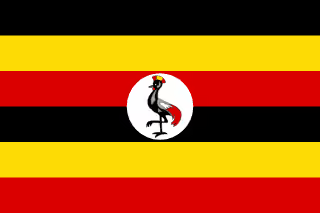
Can You Drink Tap Water in Uganda?
Tap water in Uganda is not safe to drink. Even in Kampala, contamination risk remains. Bottled water is recommended throughout the country.
Complete Drinking Water Safety Information for Uganda
Tap water in Uganda is not safe to drink for visitors. Uganda's National Water and Sewerage Corporation operates treated systems in Kampala and larger urban centres, but supply pressure is intermittent and contamination between treatment plants and taps is a significant risk. Outside the cities, communities rely on boreholes and springs of variable quality.
In Kampala, the water is sourced from Lake Victoria — a lake under severe pollution pressure from agricultural runoff, sewage, and industrial waste across three countries. Even after treatment, water reaching Kampala taps cannot be reliably assumed safe. Most expatriates drink bottled or filtered water. Hotels provide safe water for guests as standard.
Gorilla trekking in Bwindi Impenetrable National Park is Uganda's most popular tourist activity. Reputable operators and lodges provide safe filtered or bottled water throughout. On the trek itself, do not drink from streams — Giardia is present throughout the park's water sources regardless of how clean streams appear.
Lake Victoria shores near Entebbe and the Ssese Islands are popular visitor areas, but the lake is not safe to drink from without boiling, filtering, and chemical treatment. In Queen Elizabeth, Murchison Falls, and Kidepo national parks, safari lodges provide safe drinking water for guests.
Uganda records periodic cholera and typhoid outbreaks, particularly in Kampala's informal settlements. Use sealed bottled water throughout the country. Carry a quality portable filter for remote trekking or extended rural travel.
Bottled Water in Uganda

Bottled water is widely available in Kampala, Entebbe, and major tourist areas. Common brands include Rwenzori and Nile. Budget roughly 2,000–3,500 UGX (USD $0.50–$1.00) per litre. In gorilla trekking areas and remote parks, your safari operator will typically provide drinking water — confirm this when booking.
Is ice safe in Uganda?
Ice should be avoided in Uganda unless you are certain it came from purified or bottled water. Upscale hotels in Kampala and established safari lodges near Bwindi and other national parks generally use safe ice, but always ask. In local restaurants and markets, request drinks without ice.
Can you use a water filter in Uganda?
A portable filter rated for bacteria and protozoa is recommended for extended stays or remote travel in Uganda, particularly for trekking near Bwindi, Mount Elgon, or the Rwenzori Mountains. Do not drink from Lake Victoria or rivers without thorough filtration and chemical treatment, as both carry significant contamination risks.
Should you boil tap water in Uganda?
Yes, boiling is essential if bottled water is unavailable. Bring water to a rolling boil for at least one minute. Bottled water is widely available in Kampala and Entebbe and at most tourist destinations. In remote gorilla trekking areas, your operator will manage water supply — carry your own bottles as backup.
Popular destinations inUganda
Questions!
Is tap water safe to drink in Uganda?
No. Tap water in Uganda is not safe to drink for visitors. Even in Kampala, where piped and treated water exists, supply inconsistencies and aging infrastructure mean contamination risk remains. Outside the capital, water quality is significantly less reliable. Bottled water is the recommended choice throughout the country.
Can I drink tap water in Kampala?
It is not recommended. National Water and Sewerage Corporation treats Kampala's supply, but inconsistent pressure and aging pipes mean the water reaching taps may be contaminated. Visitors are advised to stick to sealed bottled water or use a quality filter, even in the capital.
What about water safety on gorilla trekking trips?
Reputable gorilla trekking operators and lodges near Bwindi Impenetrable Forest and Mgahinga provide safe filtered or bottled drinking water for guests. Do not drink from streams or natural water sources in the forest. Carry adequate bottled water for the trek itself — guides can advise on how much to bring.
Is water safe around Lake Victoria in Uganda?
Lake Victoria water is not safe to drink untreated. The lake faces significant pollution from agricultural runoff, sewage, and industrial waste, particularly near Entebbe and Kampala. Any water sourced from the lake must be boiled and filtered, or treated with iodine or chlorine tablets, before consumption.
What is the safest way to stay hydrated in Uganda?
Buy sealed bottled water from reputable brands — widely available in Kampala, Entebbe, and tourist areas. For remote trekking, carry a portable filter rated for bacteria and protozoa. Avoid ice in drinks unless confirmed to be made from purified water, and use bottled water for brushing teeth.
We don't conduct independent water testing. We summarises and interpret publicly available official data. Conditions can change rapidly — always verify with local authorities before travelling.
Explore all popular destinations inUganda
Explore more countries in Africa
Complete tap water safety information for African countries across North Africa, East Africa, West Africa, Southern Africa, and Central Africa.






📚 Official Resources & Further Reading
World Health Organization – Uganda
CDC – Uganda Travel Health Advisory
U.S. Department of State – Uganda Travel Advisory

.svg)
