

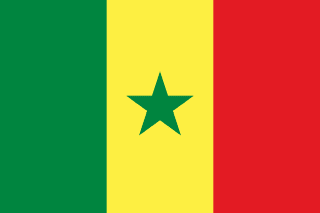
Can You Drink Tap Water in Senegal?
Tap water in Senegal is not safe to drink. Dakar's supply is treated but aging pipes create risks. Bottled water is essential throughout the country.
Complete Drinking Water Safety Information for Senegal
Tap water in Senegal is not safe to drink for visitors. Dakar has a treated municipal supply managed by SDE and sourced from Lac de Guiers and the Pout aquifer. Despite treatment, aging distribution infrastructure means contamination can occur between plants and taps. Most residents and expatriates in Dakar drink bottled or filtered water as standard.
Outside Dakar, infrastructure deteriorates rapidly. Saint-Louis has a less reliable supply than the capital. Groundwater in parts of northern Senegal has elevated fluoride levels from geological sources, making untreated borehole water unsuitable even beyond standard contamination risks. In the Casamance region, water infrastructure is limited and bottled water availability is less consistent.
The Petite Côte beach corridor through Saly and Mbour is serviced by hotels and resorts that provide safe filtered or bottled water for guests. Do not drink from hotel taps without confirming filtration. In Saly, where package tourism is concentrated, hotels manage their own treatment but standards vary between properties.
Dakar's street food scene is excellent but ice in drinks at street restaurants and markets cannot be assumed safe. Bottled water is universally available in Dakar at affordable prices. Common brands include Kirene, from a spring near Thiès, and Yoff.
For travel into rural Senegal — the Sine-Saloum Delta, Niokolo-Koba, and Ferlo Desert — bottled water availability decreases substantially and a quality portable filter becomes essential. Use bottled water for drinking and brushing teeth throughout the country.
Bottled Water in Senegal

Bottled water is widely available in Dakar, Saint-Louis, Ziguinchor, and tourist areas along the Petite Côte. Common brands include Kirene and Yoff. Availability decreases in rural areas and the Casamance region. Budget roughly 500–1,000 XOF (USD $0.80–$1.60) per litre. Always check that bottle seals are intact before purchasing.
Is ice safe in Senegal?
Ice should be avoided in Senegal unless you are certain it was made from purified or bottled water. In upscale hotels in Dakar and beach resorts along the Petite Côte, ice is generally safe. In local restaurants, street food stalls, and markets, always request drinks without ice.
Can you use a water filter in Senegal?
A portable filter is recommended for travel outside Dakar, particularly in the Casamance, Sine-Saloum Delta, and Ferlo Desert regions where bottled water is less accessible. A filter rated for bacteria and protozoa provides good protection. Combine with purification tablets for added virus protection in areas with very poor sanitation infrastructure.
Should you boil tap water in Senegal?
Yes, boiling is essential if bottled water is unavailable, particularly outside Dakar. Bring water to a rolling boil for at least one minute. Bottled water is widely available in Dakar and major towns. In rural areas and remote regions, carry purification tablets as a backup alongside a quality filter.
Popular destinations inSenegal
Questions!
Is tap water safe to drink in Senegal?
No. Tap water in Senegal is not safe to drink for visitors. While Dakar has a treated municipal supply, contamination risks from aging pipes and inconsistent treatment remain. Outside the capital, water infrastructure deteriorates significantly. Bottled water is the recommended choice for all travellers throughout the country.
Can I drink tap water in Dakar?
It is not recommended. Dakar's water is treated, but aging distribution infrastructure and inconsistent supply mean the water reaching taps is not reliably safe for visitors. Most residents and expats drink bottled water. Stick to sealed bottled water or filtered water during your stay.
Is water safe on the beaches around Dakar and the Petite Côte?
Coastal resorts and hotels in the Dakar area and along the Petite Côte typically provide filtered or bottled water for guests. Do not drink from hotel taps unless you have confirmed with your accommodation that the water is filtered. Bottled water is widely available at all tourist areas along the coast.
What about water safety in Saint-Louis and the north of Senegal?
Saint-Louis and northern Senegal have less reliable water infrastructure than Dakar. Bottled water is available in the city but less accessible in rural areas. The region's groundwater can be high in fluoride in some areas. Carry a quality filter if travelling extensively through rural northern Senegal.
What is the safest way to stay hydrated in Senegal?
Drink sealed bottled water from reputable brands, widely available in Dakar and major towns. Avoid ice in street-food settings unless you can confirm it came from purified water. Use bottled or filtered water for brushing teeth. For extended travel into rural areas, carry a portable filter as a backup.
We don't conduct independent water testing. We summarises and interpret publicly available official data. Conditions can change rapidly — always verify with local authorities before travelling.
Explore all popular destinations inSenegal
Explore more countries in Africa
Complete tap water safety information for African countries across North Africa, East Africa, West Africa, Southern Africa, and Central Africa.






📚 Official Resources & Further Reading
World Health Organization – Senegal
CDC – Senegal Travel Health Advisory
U.S. Department of State – Senegal Travel Advisory

.svg)
