

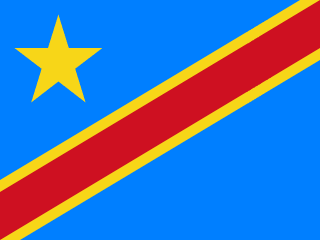
Can You Drink Tap Water in DR Congo?
Tap water in DR Congo is not safe to drink. Infrastructure is severely underdeveloped across this vast country. Bottled water is essential throughout.
Complete Drinking Water Safety Information for DR Congo
Tap water in DR Congo is not safe to drink for visitors under any circumstances. Despite being home to the Congo River — the world's second largest by discharge — the DRC has some of the least developed water infrastructure on earth. Decades of conflict, chronic underfunding, and governance challenges have left water treatment systems non-functional across most of the country.
Kinshasa, the capital with a population exceeding 15 million, has a formal water utility but coverage and treatment quality are deeply inadequate. Water is available from taps in some areas but is not safe to drink. Most expatriates rely on bottled water or operate their own filtration. Hotels in the Gombe and Lingwala business districts provide safe water for guests.
Goma, the eastern city that serves as the gateway to gorilla trekking in Virunga National Park, is the most visited tourist destination in the DRC. Goma's water infrastructure is limited and the city sits near active volcanoes that have periodically damaged supply systems. Hotels catering to conservation visitors provide safe bottled or filtered water as standard.
Beyond Kinshasa and Goma, water infrastructure is essentially non-existent outside aid organisation and mining operations. Travel into the Congo Basin rainforest or any remote area requires complete water self-sufficiency — a quality filter, purification tablets, and adequate carrying capacity are non-negotiable.
The DRC has the world's highest endemic cholera burden with outbreaks year-round. Use sealed bottled water exclusively in Kinshasa and Goma. For all travel beyond these centres, treat every water source as contaminated and rely entirely on a quality filter and chemical purification.
Bottled Water in DR Congo

Bottled water is available in Kinshasa and Goma but expensive and availability is inconsistent outside major towns. Ensure bottles are sealed before purchasing. For gorilla trekking expeditions in Virunga, your operator manages water supply — confirm arrangements before departure.
Is ice safe in DR Congo?
Ice should be avoided throughout DR Congo unless you are certain it was made from purified or bottled water. In upscale hotels in Kinshasa and Goma catering to the diplomatic and NGO community, ice is generally safe. In all other settings throughout the country, avoid ice entirely.
Can you use a water filter in DR Congo?
A quality portable filter is absolutely essential for any travel beyond Kinshasa and Goma. The DRC has the world's highest cholera burden and every water source must be treated comprehensively. Choose a filter rated for bacteria and protozoa and combine with purification tablets for full virus protection.
Should you boil tap water in DR Congo?
Yes, boiling is essential if bottled water is not available. Bring water to a rolling boil for at least one minute. In remote areas of the Congo Basin, bottled water may be impossible to source — a quality filter and purification tablets are essential items for any expedition into the interior.
Popular destinations inDR Congo
Questions!
Is tap water safe to drink in DR Congo?
No. Tap water in DR Congo is not safe to drink under any circumstances. Water infrastructure is severely underdeveloped across this vast country. Bottled water is essential in cities and a quality filter is non-negotiable for travel beyond urban centres.
Can I drink tap water in Kinshasa?
No. Kinshasa's water utility provides limited coverage and inadequate treatment. Most expatriates and visitors use bottled or filtered water exclusively. Hotels in the main business districts provide safe water for guests.
Is water safe for gorilla trekking in Virunga?
Virunga's gorilla trekking programme manages water safely for all guests. Do not drink from any river or natural source in the park. Your operator will provide safe bottled or filtered water for the duration of your visit.
Does DR Congo have cholera?
Yes. DR Congo has the world's highest burden of cholera, with outbreaks occurring year-round. This makes any untreated water source a genuine health risk. Use only sealed bottled water or thoroughly treated water at all times.
What is the safest approach to water in DR Congo?
Use sealed bottled water in Kinshasa and Goma. For all travel beyond these cities, carry a quality filter rated for bacteria and protozoa combined with purification tablets. Never drink from any tap, river, or natural source without comprehensive treatment.
We don't conduct independent water testing. We summarises and interpret publicly available official data. Conditions can change rapidly — always verify with local authorities before travelling.
Explore all popular destinations inDR Congo
Explore more countries in Africa
Complete tap water safety information for African countries across North Africa, East Africa, West Africa, Southern Africa, and Central Africa.





📚 Official Resources & Further Reading
World Health Organization – DR Congo
CDC – DR Congo Travel Health Advisory
U.S. Department of State – DR Congo Travel Advisory

.svg)
