

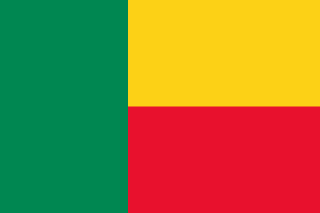
Can You Drink Tap Water in Benin?
Tap water in Benin is not safe to drink. Infrastructure is limited even in Cotonou and Porto-Novo. Bottled water is essential throughout.
Complete Drinking Water Safety Information for Benin
Tap water in Benin is not safe to drink for visitors. The Société Nationale des Eaux du Bénin (SONEB) operates treatment systems in Cotonou and other urban centres, but aging infrastructure, supply inconsistencies, and limited coverage mean tap water is not reliably safe for visitors. Most expatriates and visitors use bottled water throughout the country.
Cotonou, the economic capital and main point of entry for visitors, is Benin's largest and most developed city. The city has a treated water supply but pipe condition and distribution consistency vary across neighbourhoods. Hotels and guesthouses provide bottled or filtered water for guests. Bottled water is widely available throughout the city.
Porto-Novo, the official capital, and Abomey — the historic seat of the Dahomey Kingdom and a UNESCO World Heritage Site — are key cultural destinations. Abomey is the main draw for heritage visitors, with its remarkable royal palaces. Bottled water is available in Abomey but the range is more limited than in Cotonou. Carry adequate supplies before any extended heritage touring.
Ouidah, with its historic slave trade heritage and active voodoo culture, and Ganvié, the extraordinary lake village built entirely on stilts in Lake Nokoué, are among Benin's most visited destinations. In these areas, bottled water is available but less reliably than in the capital. Water from Lake Nokoué is not safe under any circumstances.
Use sealed bottled water throughout Benin for drinking and brushing teeth. Carry a portable filter for travel into northern Benin and the Pendjari National Park area, where bottled water availability decreases considerably. Benin experiences periodic cholera outbreaks particularly in southern coastal areas.
Bottled Water in Benin

Bottled water is widely available in Cotonou and Porto-Novo and increasingly in major towns including Abomey and Parakou. Availability decreases in rural areas and the far north. Budget roughly 300–600 XOF (USD $0.50–$1.00) per litre. Always check bottle seals before purchasing.
Is ice safe in Benin?
Ice should be avoided in Benin unless you are certain it was made from purified or bottled water. In upscale hotels in Cotonou, ice is generally safe. In local restaurants, bars, and street food settings throughout the country, always request drinks without ice.
Can you use a water filter in Benin?
A portable filter is recommended for travel outside Cotonou, particularly in northern Benin and the Pendjari National Park area where bottled water availability becomes limited. Choose a filter rated for bacteria and protozoa and combine with purification tablets for full protection in rural areas.
Should you boil tap water in Benin?
Yes, boiling is essential if bottled water is unavailable. Bring water to a rolling boil for at least one minute. Bottled water is widely available in Cotonou. In northern Benin and rural areas, carry purification tablets and a quality filter as essential backup.
Popular destinations inBenin
Questions!
Is tap water safe to drink in Benin?
No. Tap water in Benin is not safe to drink for visitors. Even in Cotonou, aging infrastructure and supply inconsistencies create contamination risks. Bottled water is essential throughout the country.
Can I drink tap water in Cotonou?
It is not recommended. Cotonou has a treated supply but pipe condition varies. Most expatriates and visitors use bottled water. Hotels provide safe water for guests as standard.
Is water safe for visiting Abomey and Ouidah?
Bottled water is available in both cities but the range is more limited than in Cotonou. Carry adequate bottled water supplies before touring heritage sites. Avoid drinking from any local water source.
What about the lake village of Ganvié?
Water from Lake Nokoué on which Ganvié is built is not safe under any circumstances. Carry all drinking water from Cotonou for any visit to the lake village. Bottled water is available on the boat tours.
What is the safest approach to water in Benin?
Use sealed bottled water throughout the country. Carry a portable filter for northern Benin and Pendjari National Park. Avoid ice in local restaurants and street food settings throughout the country.
We don't conduct independent water testing. We summarises and interpret publicly available official data. Conditions can change rapidly — always verify with local authorities before travelling.
Explore all popular destinations inBenin
Explore more countries in Africa
Complete tap water safety information for African countries across North Africa, East Africa, West Africa, Southern Africa, and Central Africa.









📚 Official Resources & Further Reading
World Health Organization – Benin
CDC – Benin Travel Health Advisory
U.S. Department of State – Benin Travel Advisory

.svg)
