

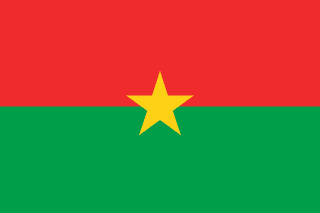
Can You Drink Tap Water in Burkina Faso?
Tap water in Burkina Faso is not safe to drink. Infrastructure is limited across the country and security challenges affect travel. Bottled water is essential throughout.
Complete Drinking Water Safety Information for Burkina Faso
Tap water in Burkina Faso is not safe to drink for visitors. The country has severely underdeveloped water infrastructure, with the Office National de l'Eau et de l'Assainissement (ONEA) operating treatment systems in Ouagadougou and Bobo-Dioulasso but unable to provide reliable quality throughout the distribution network. Most expatriates and visitors use bottled water throughout their stay.
Ouagadougou, the capital, is the country's largest city and main point of entry. The city has a treated water supply but pipe condition and supply consistency vary. Hotels provide bottled or filtered water for guests. Bottled water is available in supermarkets and shops throughout the capital. Bobo-Dioulasso, the second city in the southwest, has a more pleasant climate and similarly limited but functional water infrastructure.
Burkina Faso has faced a severe security crisis since 2015, with jihadist insurgencies spreading from Mali affecting large parts of the country's north, east, and Sahel regions. As of 2024, most governments advise against travel to large portions of the country, and tourist infrastructure in affected areas has essentially collapsed. The security situation has significantly limited travel to Burkina Faso and affected water infrastructure maintenance in conflict zones.
The Sindou Peaks and Karfiguella waterfall in the southwest near Bobo-Dioulasso were among the country's most visited natural attractions before the security crisis. These areas in the southwest remain more accessible than the north, though travellers should check current security guidance before any visit.
Use sealed bottled water throughout Burkina Faso. For any travel outside Ouagadougou and Bobo-Dioulasso, carry a portable filter. Security conditions must be thoroughly assessed before any travel to the country, as large areas are effectively off-limits to visitors.
Bottled Water in Burkina Faso

Bottled water is available in Ouagadougou and Bobo-Dioulasso. Availability decreases in rural areas and regions affected by security instability. Budget roughly 300–600 XOF (USD $0.50–$1.00) per litre. Always check bottle seals before purchasing.
Is ice safe in Burkina Faso?
Ice should be avoided in Burkina Faso unless you are certain it was made from purified or bottled water. In established hotels in Ouagadougou and Bobo-Dioulasso, ice is generally safe. In local restaurants and bars, and in any setting outside the main cities, always request drinks without ice.
Can you use a water filter in Burkina Faso?
A portable filter rated for bacteria and protozoa is recommended for travel outside Ouagadougou and Bobo-Dioulasso. In conflict-affected regions where bottled water is unavailable, a filter and purification tablets are essential survival equipment. Security planning must precede any travel to areas outside the main cities.
Should you boil tap water in Burkina Faso?
Yes, boiling is essential if bottled water is unavailable. Bring water to a rolling boil for at least one minute. Bottled water is available in Ouagadougou. In rural areas and regions with active security concerns, carry purification tablets and a quality filter as essential backup.
Popular destinations inBurkina Faso
Questions!
Is tap water safe to drink in Burkina Faso?
No. Tap water in Burkina Faso is not safe to drink. Infrastructure is limited and the security crisis has further compromised water systems in affected regions. Bottled water is essential throughout the country.
Can I drink tap water in Ouagadougou?
It is not recommended. Ouagadougou has a treated supply but pipe condition and consistency vary. Most expatriates and visitors use bottled water. Hotels provide safe water for guests as standard.
Is it safe to travel to Burkina Faso at all?
Most governments advise against travel to large parts of the country due to ongoing jihadist insurgency. Check current travel advisories carefully before any visit. The southwest around Bobo-Dioulasso is more accessible but all travel requires careful security assessment.
What about water in the regions affected by insecurity?
Water infrastructure in conflict-affected areas has been severely disrupted. Bottled water availability in these regions is essentially zero. A quality filter is critical survival equipment for any travel in affected zones.
What is the safest approach to water in Burkina Faso?
Use sealed bottled water in Ouagadougou and Bobo-Dioulasso. Carry a portable filter for any rural or regional travel. Security assessment must come before water planning for any trip to Burkina Faso.
We don't conduct independent water testing. We summarises and interpret publicly available official data. Conditions can change rapidly — always verify with local authorities before travelling.
Explore all popular destinations inBurkina Faso
Explore more countries in Africa
Complete tap water safety information for African countries across North Africa, East Africa, West Africa, Southern Africa, and Central Africa.






📚 Official Resources & Further Reading
World Health Organization – Burkina Faso
CDC – Burkina Faso Travel Health Advisory
U.S. Department of State – Burkina Faso Travel Advisory

.svg)
